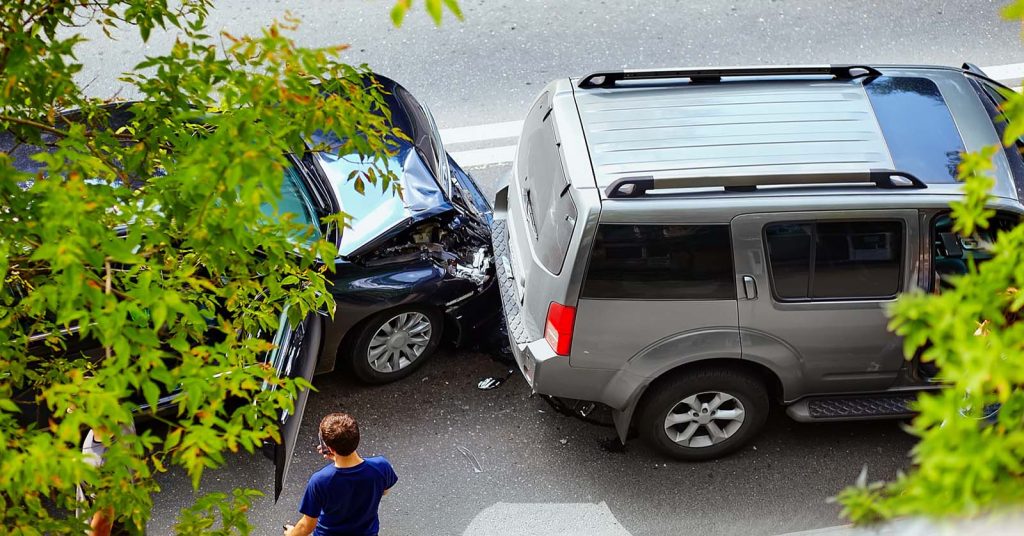
Damage alone does not automatically tell you which coverage applies. An otherwise similar dent can belong to a different coverage: impact from another vehicle points toward collision, while a falling tree points toward comprehensive.
Each coverage can carry its own deductible, premium, and claim history, so the classification affects both claim handling and cost. Drivers who own a vehicle outright can usually decide whether the protection is worth buying, while financing contracts often remove much of that flexibility.
Instead of treating collision and comprehensive as a single “full coverage” upgrade, compare the risks separately. One protects primarily against crash damage; the other protects against many losses that happen without a conventional crash.
Key Takeaways
- Crash damage is collision’s focus: It generally covers damage to your vehicle from hitting another vehicle or object, being struck in a crash, or rolling over.
- Non-collision losses often fall to comprehensive: Theft, vandalism, fire, hail, flood, falling objects, glass damage, and direct animal strikes are common examples.
- Both protect the vehicle, not your liability to others: Bodily injury and property damage liability are separate coverages.
- Deductibles matter twice: Collision and comprehensive can use different deductibles, so compare each one rather than assuming a single policy-wide amount.
- Loan and lease contracts can require both: Finance agreements commonly require physical-damage coverage to protect the vehicle serving as collateral.
- Vehicle value sets an economic ceiling: When a car is totaled, payment is generally based on its pre-loss actual cash or market value, subject to the deductible and policy terms.
Collision vs. Comprehensive at a Glance
Cause of loss is the easiest way to separate the two coverages.
| Situation | Collision | Comprehensive |
|---|---|---|
| You hit another car | Generally yes | No |
| You hit a guardrail, pole, or other object | Generally yes | No |
| Your vehicle rolls over | Generally yes | No |
| Your car is stolen | No | Generally yes |
| Hail or a falling tree damages the car | No | Generally yes |
| Flood or wildfire damages the vehicle | No | Generally yes |
| Someone vandalizes the car | No | Generally yes |
| You strike a deer or other animal | Generally no | Generally yes |
| Engine fails from wear or mechanical breakdown | No | No |
| You injure another person in an at-fault crash | No | No |
Policy wording controls the final claim decision. Insurers sometimes label comprehensive as “other than collision,” which captures the basic division but should not be read as literally covering every loss that collision excludes.
For a wider map of liability, medical, uninsured-motorist, and other protections, the main car insurance coverages article separates the major policy components.
What Collision Insurance Covers
Crash-related physical damage generally falls under collision when impact or overturn causes a covered loss. Fault is not the defining question.
Common collision claims include:
- hitting another vehicle;
- being hit by another vehicle and using your own collision coverage;
- backing into a post, wall, garage door, or another object;
- striking a guardrail or tree;
- rolling or flipping the vehicle; and
- damage from some road hazards, such as hitting a pothole, when the policy treats the event as collision.
If another driver caused the crash, you may have more than one path. You may be able to pursue the at-fault driver’s liability coverage or use your own collision coverage if available. Using your own policy may involve paying the collision deductible first; recovery of that deductible can depend on whether your insurer later collects from the responsible party.
Example: Your car slides on ice and hits a guardrail, causing $6,000 of covered damage. With a $1,000 collision deductible, the collision claim would generally leave the first $1,000 of covered repair cost to you and the insurer would address the remaining covered amount, subject to the policy and claim valuation.
Involving another vehicle does not turn collision into liability insurance. Other-driver damage you cause falls under property damage liability, while your collision coverage addresses your own insured vehicle.
What Comprehensive Insurance Covers
Non-collision physical damage is the focus of comprehensive coverage, including many direct and accidental losses outside ordinary vehicle-to-vehicle or vehicle-to-object crashes.
Typical covered causes include:
- a stolen vehicle;
- vandalism and malicious damage;
- fire;
- hail, windstorm, and other severe weather;
- flood;
- falling objects, such as tree limbs;
- broken glass, subject to the policy’s glass and deductible provisions;
- direct contact with animals; and
- theft of covered vehicle parts, such as a catalytic converter, when the policy applies.
Several events can feel like a “collision” in ordinary language but are classified differently for insurance. Directly hitting a deer is commonly handled under comprehensive. Swerving to miss the deer and then striking a tree or guardrail, by contrast, generally points to collision because the insured vehicle hit an object. Exact treatment follows the policy and facts of the loss.
Glass is worth checking separately: Comprehensive commonly includes windshield and other auto glass damage, but the deductible can differ by policy or state. Some policies offer separate glass provisions. Read the declarations page and endorsements before assuming a cracked windshield will have the same out-of-pocket cost as another comprehensive claim.
Items inside the car are a separate exposure. Personal belongings stolen from a car may instead fall under homeowners or renters coverage, subject to that policy’s limits and deductible.
What Neither Coverage Pays For
Buying both collision and comprehensive creates broad physical-damage protection, not an all-purpose automobile policy.
Neither one replaces:
- Liability coverage: injuries or property damage you are legally responsible for causing to others;
- PIP or MedPay: medical expenses and related first-party benefits where those coverages apply;
- UM/UIM: protection tied to uninsured or underinsured drivers;
- Rental reimbursement: the cost of a temporary vehicle while yours is being repaired after a covered loss, unless separately included or purchased;
- Roadside assistance: towing, jump-starts, lockout service, or similar roadside help unless separately covered;
- GAP: a loan or lease shortfall when the vehicle’s insured value is below the amount owed; or
- Routine maintenance and ordinary mechanical breakdown: wear, worn brakes, failed components, and maintenance are generally outside collision and comprehensive.
Calling a policy “full coverage” can therefore be misleading because physical-damage insurance is only one part of broader protection. Policies described that way usually include liability, collision, and comprehensive, but the phrase does not guarantee every optional protection or eliminate exclusions. For the broader policy distinction, compare liability vs. full coverage.
How Deductibles and Payouts Work
Both coverages normally use deductibles, and the amounts do not have to be identical. Drivers can choose different amounts—for example, a $1,000 collision deductible and a $500 comprehensive deductible—if the insurer offers those options.
Your deductible is the share of a covered physical-damage claim you absorb. Raising it can reduce premium, but it also raises the amount you must absorb when a loss occurs.
Vehicle value creates the other important limit. Unlike liability coverage, where you select a dollar limit such as $100,000 or $300,000, collision and comprehensive compensation is generally tied to the insured vehicle’s repair cost or pre-loss actual cash or market value. Once repairs become uneconomical under the applicable claim standard, the insurer may declare the vehicle a total loss and settle based on its value, subject to the deductible and state rules.
Illustration: Assume a car has a pre-loss value of about $8,000 and a $1,000 collision deductible. If a covered crash totals the vehicle, the settlement is generally built around the vehicle’s pre-loss value rather than the $18,000 you may have paid for it years earlier. Claim valuation rules and the deductible still affect the final amount. Those figures are illustrative, not a guaranteed claim result.
Higher deductibles are most useful when you can comfortably pay them. Saving on premium is not a strong trade if a $1,500 deductible would force you to carry a credit-card balance after an accident. Deductible selection deserves its own cash-flow test; the car insurance deductible guide goes deeper into that trade-off.
Do You Need Both Collision and Comprehensive?
For a financed or leased vehicle, check the contract first. Auto finance agreements commonly require collision and comprehensive coverage because the vehicle secures the loan or lease. Letting required coverage lapse can allow a lender or servicer to obtain force-placed or collateral-protection coverage and charge you for it.
Important: Force-placed coverage is designed primarily to protect the lender’s interest in the vehicle. It should not be treated as a substitute for a personal auto policy that protects your liability and other household risks.
Owning the car outright changes the decision. With no lender or lessor requiring physical-damage coverage, compare:
- current vehicle value;
- annual premium for collision and comprehensive separately;
- each deductible;
- cash available for a major repair;
- replacement funds available after theft or a total loss;
- local exposure to hail, flood, theft, vandalism, animals, and severe weather; and
- whether losing the vehicle would disrupt work, caregiving, or other essential transportation.
Low vehicle value does not automatically make both coverages wasteful. Households with little replacement cash may still value physical-damage protection even when the possible payout is limited. Conversely, a household that could replace the car from savings may decide to retain more of that risk.
Drivers who are still deciding how much overall protection to buy can use coverage needs as the broader framework rather than making the collision/comprehensive decision in isolation.
When Dropping One or Both Can Make Sense
No universal vehicle age, mileage, or dollar value tells every owner when to drop physical-damage coverage. Dropping coverage makes sense only when the protection is no longer worth its price relative to the loss you would retain.
Consider removing or reducing coverage only after checking four numbers:
- Current vehicle value: use a realistic pre-loss market estimate, not the original purchase price.
- Annual cost of each coverage: look at the itemized premium on the declarations page or quote.
- Deductible: subtract the amount you would absorb before a covered claim pays.
- Replacement cash: decide whether you could repair or replace the vehicle without disrupting essential expenses or taking expensive debt.
Their economics are not always equal. For one vehicle, comprehensive may be relatively inexpensive while covering theft, hail, flood, or animal losses the owner does not want to self-insure. Another profile may make collision more expensive because crash losses are more frequent or costly. Different drivers, vehicles, or locations can reverse that cost relationship.
Some insurers may allow you to drop only one coverage when there is no financing requirement, but product rules vary. Ask for quotes with the exact configurations you are considering rather than assuming the two must always be purchased or removed together.
Decision rule: Do not drop physical-damage coverage because the car is “old.” Drop or reduce it only when you understand the maximum realistic loss, the premium you are saving, the deductible, and how you would fund a replacement vehicle if the loss happened next month.
How to Compare Collision and Comprehensive Costs
Premium alone can make the decision look simpler than it is. Keep liability limits and other coverages identical, then change only the collision or comprehensive option you want to evaluate.
Questions worth asking include:
- collision premium at each available deductible;
- comprehensive premium at each available deductible;
- glass deductibles or separate glass provisions;
- physical-damage restrictions or endorsements;
- the method used to value a total loss;
- contractual deductible limits or required coverage; and
- discounts or policy features affected by dropping either coverage.
Small premium differences can justify keeping protection that would be difficult to replace yourself. Large differences deserve a closer look at vehicle value and emergency savings rather than an automatic decision either way.
If a total loss could also leave a loan balance above the vehicle’s insured value, GAP protection addresses that financing shortfall. It does not replace collision or comprehensive; those coverages are what ordinarily create the vehicle-value settlement in the first place.
A Simple Decision Sequence
- Review the contract. Keep required collision and comprehensive on financed or leased vehicles.
- Estimate the car’s current value. Original purchase price from several years ago is not the relevant loss amount.
- Price each coverage separately. Test more than one deductible.
- Check the deductible against cash. Confirm you could pay it immediately after a loss.
- Model a total loss. Decide how you would replace the vehicle if no physical-damage insurance existed.
- Assess the risks around you. Theft, weather, flooding, wildlife, traffic, and parking conditions affect what you are choosing to self-insure.
Sound coverage keeps catastrophic or disruptive losses insured while leaving smaller, affordable risks with the household.
Frequently Asked Questions (FAQs)
Is comprehensive the same as full coverage?
No. Comprehensive is one physical-damage coverage. “Full coverage” is an informal phrase usually used for a policy combining liability with collision and comprehensive, although the exact policy can include other coverages.
Does comprehensive cover hitting a deer?
Direct contact with a deer or another animal is generally handled under comprehensive coverage. If you swerve and hit a tree, guardrail, or other object instead, the resulting damage generally points to collision. Policy terms and the facts control the claim.
Can I have comprehensive without collision?
Sometimes. Insurer rules vary, and some carriers may allow one without the other when a vehicle is owned outright. Lenders or lessors commonly require both, so check the contract before changing either coverage.
Will collision pay if the accident was my fault?
Generally yes, if the loss is covered. Fault does not bar a collision claim by itself; covered damage to your insured vehicle can still be paid subject to the deductible and policy terms.
Does comprehensive cover a stolen laptop from my car?
Usually not as vehicle property. Theft of the insured vehicle and certain covered vehicle parts can fall under comprehensive, while personal belongings stolen from the car may fall under homeowners or renters insurance, subject to that policy’s terms, limits, and deductible.
Should I drop collision and comprehensive after paying off my car?
Paying off the loan removes the lender’s contractual requirement, not the financial risk. Compare the car’s current value, premiums, deductibles, replacement savings, and the losses you would have to absorb before deciding.
Sources
- National Association of Insurance Commissioners — What Does Auto Insurance Cover?
- National Association of Insurance Commissioners — Consumer Auto Insurance
- California Department of Insurance — Automobile Insurance Guide
- Texas Department of Insurance — Auto Insurance Glossary
- Texas Department of Insurance — Auto Theft and Insurance
- Washington Office of the Insurance Commissioner — Learn How Auto Insurance Works
- Consumer Financial Protection Bureau — Auto Insurance Options When Financing a Car
- Consumer Financial Protection Bureau — Supervisory Highlights: Auto Servicing and Collateral Protection Insurance