
Mortgages

Understand mortgages with practical guides on affordability, cash to close, PMI, preapproval, closing costs, refinance decisions, and home equity. Start with the basics, compare the real cost of different loan paths, and move into later-stage topics like refinancing and borrowing against equity.

Couple taking notes while planning mortgage and home financing decisions
Financial consultant reviewing mortgage escrow paperwork with a client

What Is an Escrow Account on a Mortgage?

A mortgage escrow account is an account your lender or loan servicer uses to collect money for property taxes, homeowners insurance, and sometimes other property-related charges. Instead of paying those large bills all at once, you contribute to the escrow […]

Homeowner reviewing mortgage costs and break-even calculations at home

When Does Buying Mortgage Points Make Sense?

Buying mortgage points may make sense when you have extra cash available at closing, expect to keep the mortgage long enough to recover the upfront cost, and want a lower interest rate. It often makes less sense when cash is

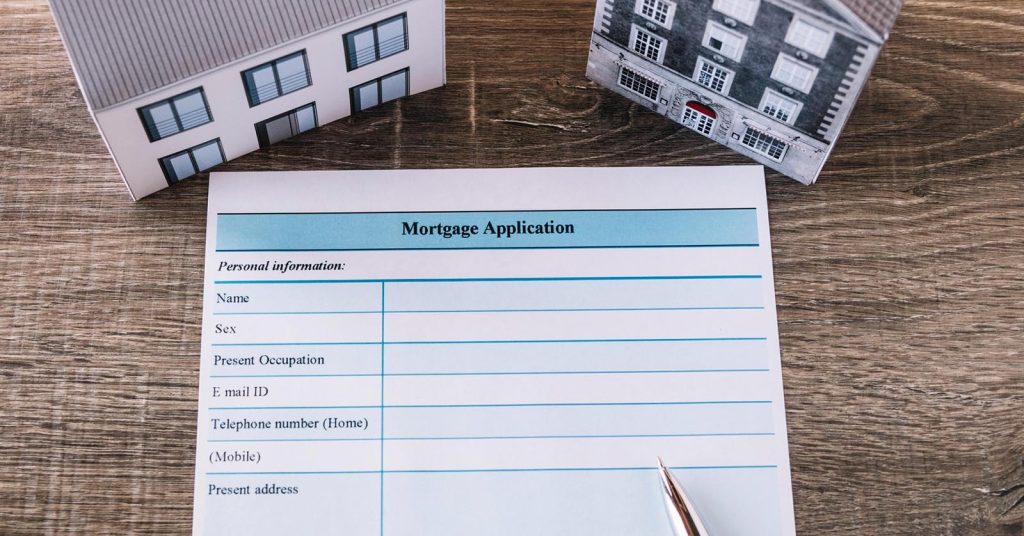
Mortgage application form and homebuying documents on a table

What Mortgage Documents Do You Need When Buying a House?

Most homebuyers need documents that prove identity, income, assets, debts, and the source of their down payment. In many cases, lenders ask for recent pay stubs, W-2s, tax returns, bank statements, and documents tied to the home purchase itself. The

Couple reviewing mortgage refinance options at home

Should You Refinance Your Mortgage?

Refinancing may make sense when the new loan meaningfully improves your situation, such as lowering the monthly payment, reducing the interest rate, changing the loan term, or switching loan types. The key question is how long it will take for

Couple reviewing credit and mortgage information on a laptop before buying a home

What Credit Score Do You Need for a Mortgage?

There is no single credit score that guarantees a mortgage. Some loan programs and lenders may work with lower scores, while others want stronger credit. In general, higher scores usually make approval easier and may help you qualify for a

Homeowners reviewing documents while comparing home equity borrowing options

HELOC vs Home Equity Loan vs Cash-Out Refinance

A HELOC gives you a revolving credit line secured by your home, a home equity loan gives you a lump sum with fixed repayment terms, and a cash-out refinance replaces your current mortgage with a larger new one and gives

Couple reviewing their budget while comparing mortgage options

15-Year vs 30-Year Mortgage: Monthly Payment vs Total Interest

A 15-year mortgage usually has a higher monthly payment but lower total interest, while a 30-year mortgage usually offers lower monthly payments but higher total borrowing costs over time. The better option depends on your cash flow, risk tolerance, savings

Real estate paperwork and house model for estimating cash to close

What Is Cash to Close on a House?

Cash to close is the total amount of money you need to bring on closing day to complete a home purchase. It usually includes your down payment, closing costs, prepaid items, and other final adjustments, minus credits, deposits, or amounts

Calculator next to a house model for estimating mortgage closing costs

How Mortgage Closing Costs Work and How to Lower Them

Mortgage closing costs are the upfront fees and charges you pay to finalize the loan and transfer ownership of the home. They often include lender fees, title-related charges, appraisal costs, prepaid taxes, prepaid homeowners insurance, and other settlement expenses. In

Person calculating homebuying costs and housing budget in an office

How Much House Can I Afford on My Salary?

How much house you can afford on your salary depends on more than income alone. Your real budget is shaped by your monthly debts, down payment, mortgage rate, property taxes, homeowners insurance, and the amount of financial cushion you want

Couple reviewing mortgage documents and housing costs at home

What Is PMI and How Can You Remove It?

PMI, or private mortgage insurance, is usually required on a conventional mortgage when your down payment is less than 20%. It protects the lender, not you, and it adds to your monthly housing cost. In many cases, you can ask

Couple viewing a home with a real estate agent during the homebuying process

How Much Money Do You Need to Buy a House?

Most homebuyers need money for three things: the down payment, closing costs, and a cash cushion after closing. The exact amount depends on the home price, loan type, and local fees. In many cases, the biggest mistake is budgeting only

Couple sitting at their kitchen table reviewing mortgage documents and comparing interest rate and APR on a phone

Mortgage APR vs Interest Rate – What’s the Real Cost?

On a mortgage, the interest rate sets your monthly principal and interest payment, while the APR (annual percentage rate) includes that rate plus many lender fees and points. APR is usually higher and is most useful for comparing the total

Mortgage Relief and Forbearance

Mortgage Relief and Forbearance: Key Questions to Ask

When mortgage payments become difficult to manage, the pressure can build quickly. Relief options do exist, including forbearance, repayment plans, payment deferrals, and loan modifications, but the structure of that relief matters as much as the relief itself. A temporary

Woman using a calculator in front of a house model to calculate home equity

How to Calculate Your Home Equity and Tappable Equity

Your home equity is one of the biggest building blocks of your long-term wealth, but most people only check it when they’re about to refinance or open a HELOC. Knowing how to calculate it correctly — in dollars, as a

Home Equity Loan

Home Equity Loan & HELOC Requirements

Having lots of equity doesn’t guarantee you’ll qualify for a home equity loan or line of credit. Lenders also look closely at your credit score, your monthly debts, your income stability, and even details like property type and insurance. Because

Understanding Home Equity

Understanding Home Equity and How to Use It

For many Americans, home equity is their single biggest source of wealth — and the cheapest place to borrow when used carefully. Tapping that equity can fund renovations, consolidate high-interest debt, or strengthen a retirement plan, but it also puts