Holiday Spending Plan

Holiday Spending Plan: Avoid January Credit Card Debt

A holiday spending plan starts with one number you can afford from actual cash flow, not with a percentage of annual income or a credit limit. Include gifts, travel, food, hosting, decorations, events, and shipping, then divide the total into […]


Smart Back-to-School Budget

Back-to-School Budget: Save on Supplies, Clothes & Tech

A back-to-school budget works best when you set the total before you shop. Start with the school’s current list, check what you already own, separate must-have items from purchases that can wait, and include clothing, technology, activity fees, transportation, and

Kid Money Basics

Allowance and Chores: How to Teach Kids About Money

No official “right” allowance amount exists, and families do not need one prescribed way to connect allowance to chores. The strongest learning comes from conversations about what the child plans to do with the money, what counts as extra work,

Monthly Budget Meetings That Actually Work

Monthly Budget Meetings That Actually Work

A monthly budget meeting should answer four questions: What happened last month? What is coming next? Which parts of the plan need to change? Who will do what? Keep the meeting short enough to repeat—about 20 to 40 minutes is

Family Budgeting: One Pot or Yours–Mine–Ours

Joint vs. Separate Finances: Budgeting for Couples

Household finances do not have to be fully combined or fully separate. A joint system can simplify shared bills and goals, a separate system can preserve autonomy, and a hybrid system can do both by using joint accounts for household

Groceries on a Budget

Groceries on a Budget: How to Spend Less on Food

The fastest way to lower a grocery bill is usually not extreme couponing. Build meals around food you already have, shop from a list, compare unit prices instead of package prices, try lower-cost brands when the quality works for you,

Plan Big Buys

How to Plan a Big Purchase Without Overspending

Plan a major purchase from the all-in cost backward, not from the monthly payment or sale price. Decide what the item must do, set a cash ceiling that leaves room for other goals, add taxes, fees, financing, delivery, installation, accessories,

Bills on Autopilot

Bills on Autopilot: A Safe Setup & Monitoring Checklist

The safest autopay setup uses bills you can reliably fund, a clearly identified payment account or card, and alerts for changing amounts and low balances. For recurring merchant bills, charging a credit card can make sense if you pay that

Everyday Budget Apps

Everyday Budget Apps: What to Track, What to Ignore

Useful budget apps improve decisions without creating more work than the budget is worth. Track the numbers that affect what you do next: take-home income, recurring bills, a few flexible spending categories, upcoming irregular expenses, savings goals, and the cash

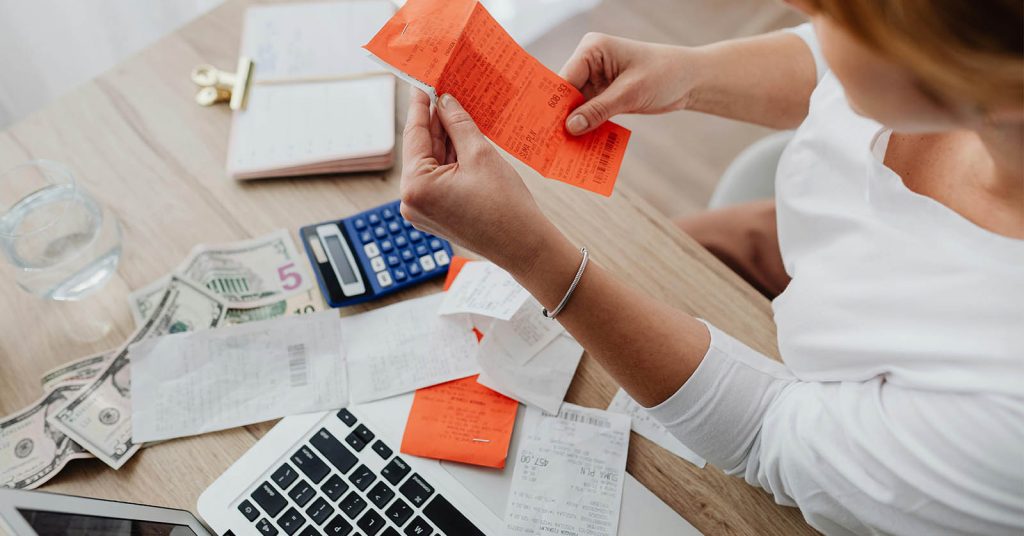
Woman reviewing household finances with a calculator and laptop

Simple Cash Flow: A Weekly Routine for Bills and Saving

A weekly cash-flow routine is a short check of money available now, income expected before the next check-in, and bills scheduled to leave before then. Start with the bank’s available balance, account for pending or scheduled payments, reserve enough for

Checking vs Savings vs HYSA

Checking vs Savings vs HYSA: Build a Smarter Cash Stack

Use checking for money that needs to move regularly—paychecks, bills, debit-card spending, and transfers. Savings is for money you are setting aside; a high-yield savings account (HYSA) can make sense when it offers a meaningfully better APY without sacrificing needed

Budgeting

Budgeting With Irregular Income: A Practical Playbook

When your income changes from month to month, build the budget around cash already available and the timing of bills, not around your best month or an optimistic average. Cover essential expenses first, create a small income-smoothing buffer, and decide

Cut Monthly Bills: Negotiate Better Deals or Switch

How to Lower Monthly Bills: Negotiate or Switch

Lowering monthly bills works best when you start with expenses that repeat and are large enough to matter: internet, mobile service, insurance, subscriptions, utilities, and account fees. Compare the current bill with the service you actually use, check competing offers

Person holding cash and using a smartphone beside a laptop

Automate Your Money: Pay Yourself First

Paying yourself first means moving money toward savings and long-term goals before discretionary spending gets a chance to absorb it. Safe implementation does not mean “save before you pay your bills.” Cover essential obligations and minimum debt payments, then automate

Sinking Funds: Plan Irregular Expenses

Sinking Funds: Plan Irregular Expenses

A sinking fund is money you set aside gradually for an expense you expect but do not pay every month—such as car registration, an annual insurance premium, holiday spending, school costs, or routine vehicle maintenance. These periodic expenses are often

Emergency Fund: How Much to Save & Where to Keep

Emergency Fund: How Much to Save & Where to Keep

Emergency savings are cash reserved for unplanned financial shocks such as a job loss, urgent car or home repair, or unexpected medical bill. No single federal “correct” balance exists. Building in stages works well: first save enough to handle one

Beginner Budget: 50/30/20 vs Zero-Based

Beginner Budget: 50/30/20 vs Zero-Based

The 50/30/20 budget is usually better if you want a simple framework: roughly 50% of take-home pay for needs, 30% for wants, and 20% for savings and debt goals. A zero-based budget gives you more control by assigning every dollar

Frugal Living Guide

Frugal Living: Spend Less Without Feeling Deprived

Frugal living is not about buying the cheapest version of everything or turning every small pleasure into a financial mistake. It is about spending deliberately: cut costs that add little value, protect the things you already own, waste less food

How to Save Money in 2025

How to Save Money: 7 Strategies That Actually Work

Saving money gets easier when you stop treating it as whatever is left at the end of the month. Start by finding one or two expenses that can realistically change, automate a sustainable transfer, build cash for emergencies, prepare separately