Back-to-school shopping becomes expensive when the budget covers pencils and notebooks but forgets everything that appears around them.
Shoes stop fitting. Calculators can suddenly become required. Sports registration opens. School devices need cases or headphones. Lunch, transportation, and classroom fees start showing up after the first shopping trip is already “finished.”
Useful back-to-school budgets treat the season as one project rather than a string of unrelated purchases. Buying everything at the lowest possible price is not the objective. Instead, identify what the school year actually requires, reuse what still works, and keep optional upgrades from crowding out essentials.
Set a Total You Can Fund Without New Debt
There is no reliable national rule saying a family should spend $100, $250, or any other fixed amount per child.
Build the ceiling from your own situation:
- money already set aside for school costs;
- income available before the purchases must be made;
- the official school or classroom list;
- clothing and shoes that genuinely need replacement;
- technology the school actually requires;
- fees, transportation, meals, sports, or activities due near the start of school; and
- other household bills competing for the same cash.
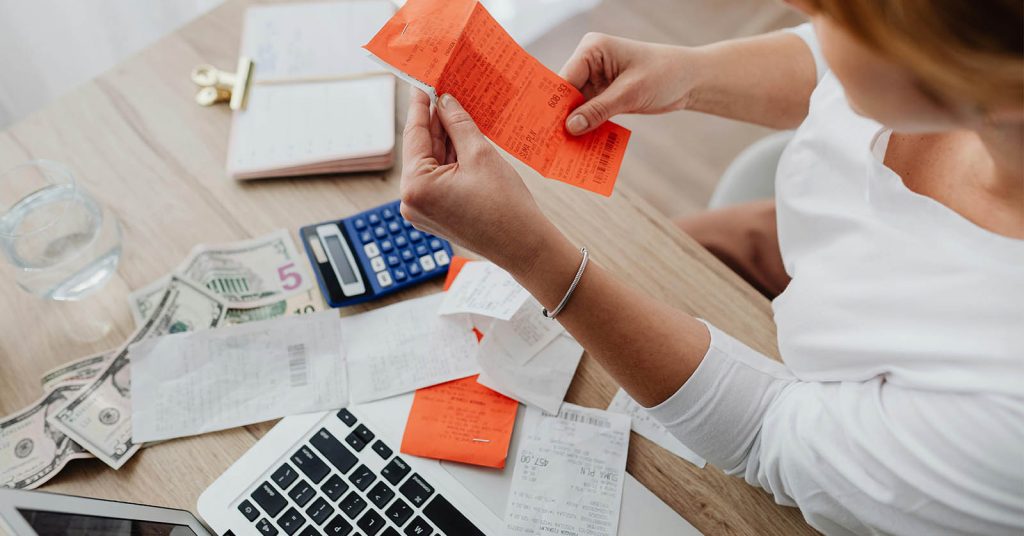
Last year’s transactions can provide a useful starting point when they are available. Search July through September for school-supply stores, clothing, electronics, school payments, sports, transportation, and online orders. That total can reveal costs forgotten in the original plan.
A $900 shopping list does not become affordable because a credit card or BNPL provider is willing to finance the difference.
A list that exceeds available cash needs priorities before credit enters the decision.
Build the List in Three Passes
A retailer’s “back-to-school essentials” page should not define the list. The school’s current requirements should.
Use three passes:
- Official requirements: get the current school, teacher, course, or district list when one is available.
- Home inventory: check backpacks, pencil cases, calculators, headphones, binders, lunch gear, and unused supplies from the prior year.
- Final shopping list: buy only the gap between what is required and what still works.
This sounds basic, but it prevents a common form of overspending: replacing functional items simply because the season makes everything feel due for replacement at once.
When an expensive or highly specific item is unclear, ask before buying. Teachers may require particular calculator models or notebook formats for legitimate classroom reasons. In other cases, a lower-cost substitute may be acceptable. Confirm rather than assuming either way.
Separate First-Day Essentials From Purchases That Can Wait
Buying later is not automatically cheaper. It is useful because it gives you better information.
Divide the list into:
| Priority | Examples | When to Buy |
|---|---|---|
| Needed immediately | Basic writing supplies, required folders, backpack if the old one failed, first-day uniform or dress-code items | Before school starts |
| Confirm first | Special calculators, binders, lab items, course-specific apps, headphones, specialized materials | After the requirement is clear |
| Can wait | Extra outfits, backup supplies, trendy accessories, nonessential upgrades | When the need or a worthwhile price appears |
This approach is especially useful for clothing. Children can change sizes quickly, weather differs across the country, and a full fall wardrobe may not be necessary before the first day of school.
Buy what is needed now. Fill real gaps later instead of guessing the entire semester’s needs in one weekend.
Use Sales-Tax Holidays Carefully
Some states temporarily exempt certain back-to-school purchases from sales tax. These events can reduce the final price, but they are easy to misunderstand.
Rules can vary by state and year, including:
- the dates of the exemption;
- which clothing, supplies, or electronics qualify;
- maximum price per item;
- whether online purchases qualify;
- how layaway, shipping, or bundled purchases are treated; and
- whether local taxes are included.
Check the current guidance from your state’s department of revenue, taxation, or comptroller before planning around the holiday.
Also compare the final price, not just the tax treatment. A $70 item during a tax holiday is not automatically a better deal than the same item offered for $55 the week before.
If something is genuinely required and the current price is already good, do not risk running out of stock merely to chase a small tax saving.
Compare School Supplies by Unit Price and Expected Use
Back-to-school promotions often use multipacks and “value” packaging. Use unit price when package sizes differ.
The 10-pack costs 85¢ per notebook; the 5-pack costs 95¢. The larger pack is cheaper per item — but only if the extra notebooks will actually be used.
Store brands can also be worth testing for basic items, but do not assume a universal percentage saving. Check current price against the quality that matters for the item.
Bulk buying is easiest to justify when:
- multiple children use the same item;
- the school year reliably consumes the full quantity;
- the product stores well; or
- another family wants to split the package.
Cheap 40-packs that leave 25 unused items in a closet are not automatically better than buying the quantity you actually need.
Buy Technology From the Requirement Backward
“Back-to-school tech” is a retail category, not a school requirement.
Before buying a laptop, tablet, calculator, printer, headphones, or software, confirm:
- whether the school provides a device;
- the required operating system, calculator model, software, or compatibility;
- whether the device will be used at school, at home, or both;
- what warranty is included;
- the return window;
- repair or replacement arrangements; and
- whether an existing device already meets the requirement.
Do not buy more computing power simply because a retailer calls it a student model. Match the device to the work it has to do.
With younger students, also ask who is responsible if a school-issued device is damaged or lost and whether the school offers or requires a protection plan. Policies vary by district.
Expensive personal devices should be compared on total purchase terms rather than the monthly financing amount alone.
Be Careful With BNPL for Routine School Purchases
Buy now, pay later can make a $240 cart look like four smaller payments, but the household still committed to the full $240.
BNPL is deferred-payment credit that generally splits a purchase into smaller installments, typically four or fewer, and often charges no interest. Product terms can vary.
Regulatory treatment has also changed at the federal level. The 2024 CFPB BNPL interpretive rule was withdrawn on May 12, 2025, so that interpretation should not be treated as current federal guidance.
For school shopping, the practical concern is simpler than the regulatory debate: several installment plans can make it harder to see how much of the next paycheck is already committed.
Before using BNPL, write the future payment dates into the budget and ask whether they still fit after rent, groceries, utilities, transportation, and other required expenses.
Do Not Forget Meals, Fees, Sports, and Transportation
Shopping carts are only one part of back-to-school cash flow.
Look ahead for:
- school meals;
- bus or public-transit costs;
- parking;
- sports registration or equipment;
- club or activity fees;
- field trips;
- instrument rental;
- photos or yearbook costs; and
- after-school care.
If your household may qualify for free or reduced-price school meals, check with the school or district. USDA’s school-meal programs use household applications in many participating schools, while schools operating the Community Eligibility Provision (CEP) can provide meals without collecting individual free- and reduced-price applications from each household.
That distinction matters because the process is not identical at every school. Use the school’s current instructions rather than relying on an old national income table or assuming you must submit an application.
For sports or activities, ask what is actually due now. Registration, uniforms, equipment, travel, and fundraising can arrive on different schedules. Putting all of them into the August budget when some are due later can make the first month look more expensive than necessary.
Shop Online With the Same Caution as Any Other Major Sale
Back-to-school urgency can make unfamiliar online stores look more credible than they are, especially when a sale or countdown pushes you to decide quickly.
Research unfamiliar sellers, read shipping and return information, and consider a credit card when practical for online purchases. Qualifying credit-card billing problems, including some merchandise that never arrives, can have a federal dispute process.
Be especially cautious when a seller insists on payment by gift card, wire transfer, cryptocurrency, or another method that makes recovery difficult.
Before ordering:
- check the seller rather than trusting the ad;
- confirm the delivery date is useful for the school start;
- read return terms for clothing and electronics;
- save the order confirmation; and
- inspect the statement afterward for incorrect or duplicate charges.
“Deals” that arrive after an item was needed—or never arrive—are not useful back-to-school savings.
Turn This School Year Into Next Year’s Sinking Fund
Once the first few weeks are over, calculate the real cost of the season.
Include both the original shopping trip and the costs that appeared later. Then split the total into:
- supplies;
- clothing and shoes;
- technology;
- fees and activities;
- transportation;
- meals; and
- other school costs.
Decide which categories are likely to repeat next year and create a sinking-fund target.
Targets can change as children grow or school requirements shift. Perfect forecasting is not the advantage; entering the next school year with cash already assigned to a known cost is. Use the Savings Goal Calculator to convert that target into a monthly or per-paycheck saving amount.
Frequently Asked Questions (FAQs)
How much should I budget per child for back-to-school?
There is no universal amount. Use the school’s current requirements, what can be reused, clothing and technology gaps, fees, and the cash your household can safely allocate. Last year’s actual spending is a better baseline than a generic per-child target.
Should I buy everything on the school list before the first day?
Buy clearly required first-day items, but confirm expensive, specialized, or unclear purchases before buying them. Waiting can prevent unnecessary spending when course-specific needs become clearer after school begins.
Are back-to-school sales-tax holidays worth waiting for?
Sometimes. Compare the tax saving with the actual price available before and during the holiday. Rules, eligible items, price caps, and dates can vary, so verify the current details with your state’s tax authority.
Should I use BNPL for school supplies?
BNPL is credit, even when the product charges no interest. It may divide a purchase into smaller installments, but those payments still reduce future cash flow. For routine school purchases, use it only when the full payment schedule already fits comfortably alongside required household bills.
How do I apply for free or reduced-price school meals?
Check your school or district’s current process. Many participating schools use household applications, while schools using USDA’s Community Eligibility Provision can serve meals without collecting individual free- and reduced-price applications from each household.
What is the best way to prepare for next year’s school costs?
Add up this year’s actual repeatable expenses and divide the target by the months or paychecks before next school year. Dedicated sinking funds can spread large seasonal costs across the year.
Sources
- Consumer Financial Protection Bureau — Your Money, Your Goals: Planning for Periodic Expenses
- Consumer Financial Protection Bureau — Buy Now, Pay Later Inquiry
- Consumer Financial Protection Bureau — Current BNPL Regulatory Resources and Withdrawal of 2024 Interpretive Rule
- USDA Food and Nutrition Service — Free and Reduced-Price School Meals
- USDA Food and Nutrition Service — Community Eligibility Provision
- Federal Trade Commission — Online Shopping
- Federal Trade Commission — Using Credit Cards and Disputing Charges