Home insurance quotes are easy to compare when the only number on the screen is the premium. Unfortunately, that is also the easiest way to buy two policies that are not actually comparable.
One insurer may quote a lower dwelling limit, another may use a larger wind deductible, and a third may quietly settle an aging roof differently. Shopping works best when you define the protection you are comparing before asking which company is cheapest.
1. Gather the Information Insurers Will Ask For
Accurate property information improves both the quote and the reconstruction estimate behind it.
Before requesting homeowners insurance quotes, gather details including:
- Year the home was built
- Square footage
- Home style and number of stories
- Roof type and approximate roof age
- Exterior construction
- Flooring and interior finishes
- Age of plumbing, electrical, heating and cooling systems
- Fireplaces and other supplemental heating
- Swimming pools, trampolines and similar property features
- Protective devices such as alarms and smoke detectors
- Mortgage-lender information when applicable
- Valuable personal property that may need special coverage
Prior policy documents can help, but do not simply copy old information. Renovations, roof replacement, new systems and additions should be reflected in the new quote.
If you are buying a home, useful information can also come from the listing, appraisal, inspection report and seller disclosures. Verify important details rather than assuming the real-estate listing contains everything an insurer needs.
2. Estimate the Cost to Rebuild the Home
Build the dwelling limit around reconstruction cost, not the home’s purchase price or mortgage balance.
Base dwelling coverage on the estimated cost to rebuild the home rather than its purchase price or land value. Your amount of coverage is also one of the factors that can affect the premium.
Reconstruction estimates can reflect:
- Square footage
- Local labor and material costs
- Foundation and structural design
- Roof
- Exterior materials
- Cabinetry and built-ins
- Flooring and interior finishes
- Plumbing, electrical and HVAC systems
- Custom features
- Local building requirements
The insurer will usually generate its own replacement-cost estimate. Ask what property information was used and correct obvious errors.
Determining how much homeowners insurance you need requires separate decisions for the dwelling, belongings, loss of use and liability rather than one catch-all limit.
3. Decide Which Policy Structure You Want to Compare
Lower quotes can reflect narrower policy forms rather than better pricing.
For a typical owner-occupied house, HO-3 is the dominant form. It generally provides open-peril coverage for the dwelling and named-peril coverage for personal property. HO-5 generally extends open-peril protection to personal property as well.
Other forms serve different situations, including renters, condo owners, manufactured homes and some older properties.
Before requesting quotes, decide what baseline you want insurers to price. Ask whether the quote is:
- HO-3, HO-5 or an insurer-specific equivalent
- Replacement cost or actual cash value on the dwelling
- Replacement cost or actual cash value on personal property
- Open peril or named peril for belongings
- Subject to special roof or surface settlement
Understanding the main homeowners policy types helps explain why an HO form number alone does not tell the whole coverage story.
4. Choose Limits Before Comparing Premiums
Comparable quotes should use similar limits; otherwise you are comparing different amounts of insurance.
Line up:
| Coverage | What to decide |
|---|---|
| Dwelling | Credible reconstruction amount |
| Other structures | Enough for detached structures actually on the property |
| Personal property | Amount supported by a home inventory and valuation choice |
| Loss of use | Extra living costs during a long covered displacement |
| Personal liability | Protection that fits your assets and liability exposure |
| Medical payments | Policy option and limit available from the insurer |
Automatically generated percentages tied to Coverage A may not fit your household, so verify them. House size does not necessarily mean the owner has proportionately more belongings, and an expensive detached garage can exceed a default other-structures limit.
5. Choose Deductibles You Could Actually Pay
Higher deductibles generally lower the premium, but they shift more of a covered loss to you.
Ask how the premium changes at different deductible levels, and choose a deductible you could afford after a loss.
Compare every deductible that could realistically apply, not only the standard one. Some policies use separate:
- Wind and hail deductibles
- Hurricane or named-storm deductibles
- Roof deductibles
- Water-backup deductibles
- Other catastrophe-specific deductibles
Convert every percentage deductible into dollars before comparing policies.
Percentage and catastrophe homeowners deductibles can materially change the amount you retain after a large loss.
6. Get Several Written Quotes
Do not stop with the insurer that already covers your car.
Contact several insurers and get written quotes. Comparing at least three equivalent quotes is a useful baseline before buying.
You can shop through:
- Insurers that sell directly
- Captive agents representing one insurer or insurer group
- Independent agents who can access multiple insurers
- Other licensed insurance producers available in your state
No single shopping channel automatically produces the lowest price or best policy. Some insurers sell only through particular channels, so contacting more than one source can increase the number of companies you compare.
Give each quote source the same major property facts and request similar limits, deductibles and endorsements. Save the written quote rather than relying on a verbal premium.
7. Compare the Policies Line by Line
Once the quotes arrive, hide the premium column for a moment.
Compare:
- Dwelling limit
- Replacement-cost estimate
- Policy form
- Dwelling valuation
- Personal-property valuation
- Liability limit
- Standard deductible
- Wind, hail, hurricane and other special deductibles
- Roof settlement
- Water-backup coverage
- Ordinance or law coverage
- Extended or guaranteed replacement-cost protection
- Scheduled valuables
- Other structures
- Special limits
- Major exclusions
When comparing quotes, review optional coverage such as sewer or drain backup, valuables, ordinance or law and equipment breakdown, along with separate policies that may be needed for flood, earthquake or umbrella liability.
The endorsements column can explain a surprising amount of the price difference between two quotes.
8. Look for Catastrophe Gaps Before Buying
A standard policy does not protect against every major threat to the home.
At minimum, review:
Flood
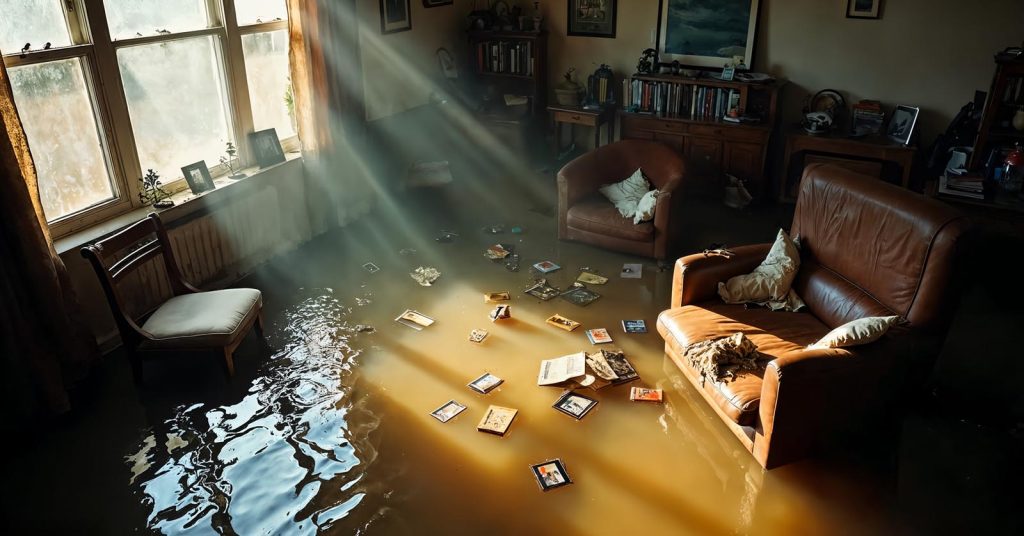
Homeowners insurance typically does not cover flood damage. Flood insurance through the NFIP or a private insurer may be appropriate, and a lender can require flood coverage for certain properties.
Earthquake
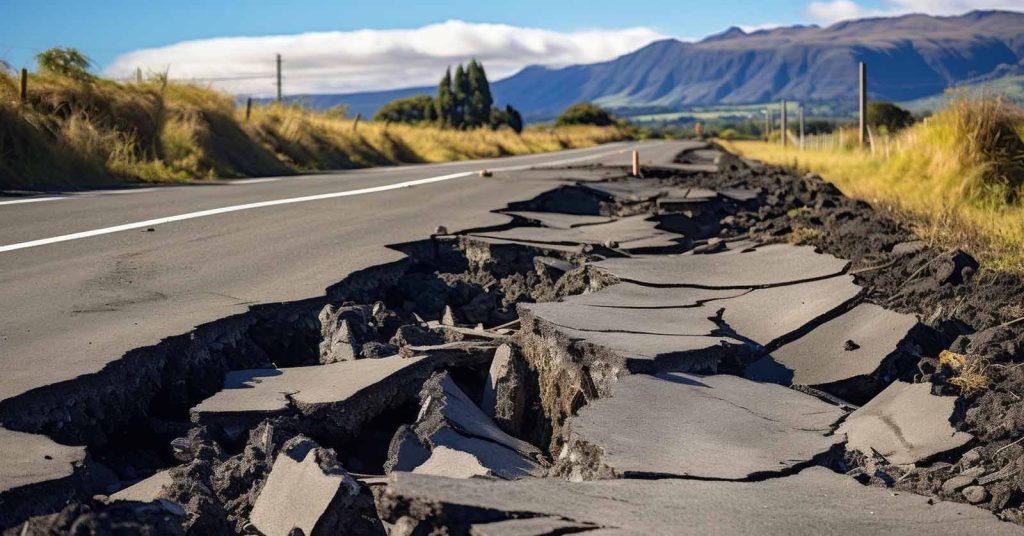
Earthquake shaking is generally excluded from standard homeowners insurance. Separate earthquake insurance can be available as a policy or endorsement.
Wind
Wind is commonly covered, but some coastal or high-risk markets can exclude it or place it in a separate policy or state-supported market.
Sewer or Water Backup
Backup through a sewer, drain or sump can require a separate endorsement even when ordinary sudden plumbing water damage is covered.
Do not wait until after choosing the cheapest homeowners quote to discover that a major local peril requires a second premium.
9. Research the Insurance Company, Not Just the Policy
The claims experience depends on the company as well as the contract.
Your state Department of Insurance can help confirm that an insurer or producer is licensed in your state.
NAIC’s Consumer Insurance Search also allows consumers to research insurer information including:
- Complaint information
- Financial information
- Licensing
- Company history and related details
Do not choose or reject an insurer based on a single metric. Compare complaint information with market share, financial information, coverage terms, pricing and the specific insurance product.
Price and coverage are not the only comparison points. Complaint information, financial strength and claim-service considerations can also help distinguish otherwise similar insurers.
Financial-strength ratings from independent rating agencies can provide another perspective, but understand the rating scale and verify which legal insurance company is actually issuing the policy.
Finish the Purchase and Verify the Policy
10. If You Have a Mortgage, Confirm the Policy With the Lender
A mortgage lender generally requires homeowners insurance because the home secures the loan.
You generally choose the homeowners insurer, but a mortgaged property still has to meet the lender’s insurance requirements. Before finalizing coverage, give the lender or loan officer the quote or binder information needed to confirm that the policy satisfies those requirements.
Your lender’s requirement can address issues such as:
- Required property coverage
- Mortgagee information
- Effective date
- Deductible restrictions
- Flood coverage when required
Lender requirements do not determine all the coverage you need personally. The lender is protecting its collateral; you also need to think about belongings, liability, temporary living expenses and gaps such as earthquake.
If required homeowners coverage lapses, a lender or servicer can obtain force-placed insurance after required notice. That coverage may cost more and may primarily protect the lender rather than give you the broader protection of a homeowners policy you selected yourself.
11. Set the Correct Effective Date
Buying a home requires coordinating the policy effective date with the closing and lender requirements.
Homeowners insurance should be arranged before closing, with the final policy information sent to the lender or loan officer as required.
Do not cancel an existing policy until replacement coverage is confirmed when switching insurers on a home you already own. Coverage gaps can create both uninsured risk and mortgage-servicing problems.
If premiums are escrowed, the mortgage servicer may pay future renewal bills from the escrow account, but you remain responsible for reviewing the renewal and making sure appropriate coverage remains in force.
12. Review the Issued Policy After You Buy
Quotes are not final contracts.
When the policy arrives, compare it with what you agreed to buy.
Check:
- Named insured and property address
- Policy dates
- Dwelling and other coverage limits
- Every deductible
- Policy form
- Replacement-cost or ACV provisions
- Endorsements
- Mortgagee information
- Discounts
- Any exclusion or condition that differs from the quote discussion
Raise errors with the insurer or producer promptly and ask for corrected documents.
Keep the declarations, base policy and endorsements together. Reading an insurance policy means using those documents together rather than treating the declarations page as the entire contract.
Homeowners Insurance Shopping Checklist
| Before you buy | Done? |
|---|---|
| Verify home facts, roof age, systems and renovations | □ |
| Review reconstruction estimate | □ |
| Choose dwelling, contents, liability and loss-of-use limits | □ |
| Choose affordable flat and percentage deductibles | □ |
| Request at least three written quotes | □ |
| Normalize limits, valuation and deductibles across quotes | □ |
| Compare exclusions and endorsements | □ |
| Check flood, earthquake, wind and water-backup gaps | □ |
| Research insurer licensing, complaints and financial information | □ |
| Confirm mortgage requirements if applicable | □ |
| Verify the effective date | □ |
| Review the issued policy against the quote | □ |
Only after the policies are reasonably equivalent should price become the deciding comparison. The best homeowners policy is not necessarily the one with the most endorsements or the lowest premium. It is the one that transfers the losses you cannot afford to absorb while leaving you with deductibles and premiums that remain manageable.
Frequently Asked Questions (FAQs)
How many homeowners insurance quotes should I get?
Get at least three equivalent quotes before buying. More can be useful in markets where insurer pricing or availability varies sharply.
When should I buy homeowners insurance when purchasing a house?
Shop before closing. Obtain written quotes, confirm the lender’s insurance requirements, choose the insurer and send the final policy information to the lender before closing.
Can I choose my own homeowners insurance company with a mortgage?
Generally, yes. Borrowers can choose their homeowners insurance company, although the policy must satisfy the lender’s applicable insurance requirements.
Should I choose the cheapest homeowners insurance quote?
Not until you confirm the policies are comparable. Lower premiums can result from a higher deductible, lower rebuilding limit, ACV instead of replacement cost, narrower policy form or missing endorsements.
What information do I need for a homeowners insurance quote?
Expect to provide details such as address, year built, square footage, construction, roof age, major systems, property features, protective devices, mortgage information and the coverages you want.
How do I check whether a homeowners insurance company is reputable?
Use your state Department of Insurance to verify licensing and review consumer resources. NAIC Consumer Insurance Search can provide complaint, financial and licensing information. Consider multiple indicators rather than one complaint or rating number alone.
Do I need flood insurance if I already have homeowners insurance?
Homeowners insurance generally does not cover external flooding. Whether you should buy separate flood insurance depends on the property’s flood exposure, financial risk and any lender requirement.
Can I change homeowners insurers after closing?
Yes, subject to policy terms and mortgage requirements. Make sure replacement coverage is active before cancelling the old policy and provide updated insurance information to the mortgage servicer when necessary.
Sources
- National Association of Insurance Commissioners: A Shopping Tool for Homeowners Insurance
- National Association of Insurance Commissioners: Consumer Homeowners Insurance
- National Association of Insurance Commissioners: Researching Complaints Against Insurance Carriers
- Consumer Financial Protection Bureau: Shop for Homeowner’s Insurance
- Consumer Financial Protection Bureau: What Is Homeowner’s Insurance and Why Is It Required?
- Consumer Financial Protection Bureau: Loan Estimate Explainer
- California Department of Insurance: Residential Insurance — Homeowners and Renters, revised January 2026