
Saving Money & Spending

Saving more is easier when the plan focuses on spending decisions rather than restriction. Find ways to cut bills and everyday costs, spend more intentionally on food, transportation, travel, and entertainment, and manage impulse buying, lifestyle creep, no-spend challenges, and spaving.

Woman putting dollar bills into a piggy bank
Two women reacting to a shopping deal while holding shopping bags and a smartphone

What Is Spaving? How Deals Can Make You Spend More

Spaving is an informal term for spending more money because a promotion makes the purchase feel like saving. Examples include adding an unplanned item to reach free shipping, buying two products to unlock a discount, upgrading to a larger package […]


Friends singing karaoke together at a party

How to Save Money on Entertainment Without Cutting the Fun

To save money on entertainment without making life less enjoyable, decide which activities are actually worth paying for and give them a defined place in your budget. Track movies, concerts, sporting events, hobbies, subscriptions, books, games, family activities, and other

Person calculating home energy costs beside house plans and a solar panel model

How to Save Money on Utilities Without Sacrificing Comfort

To save money on utilities, start by comparing your electricity, gas, and water bills with the same season last year and identify which cost is actually rising. Heating and cooling are often the largest home-energy expense, so thermostat settings, HVAC

Man holding a passport and boarding passes while planning a trip on a laptop

How to Save Money on Travel Without Ruining the Trip

To save money on travel without making the trip miserable, decide what you care about most before you book. Build an all-in budget for transportation, lodging, food, local transportation, activities, fees, and a small buffer, then spend more selectively on

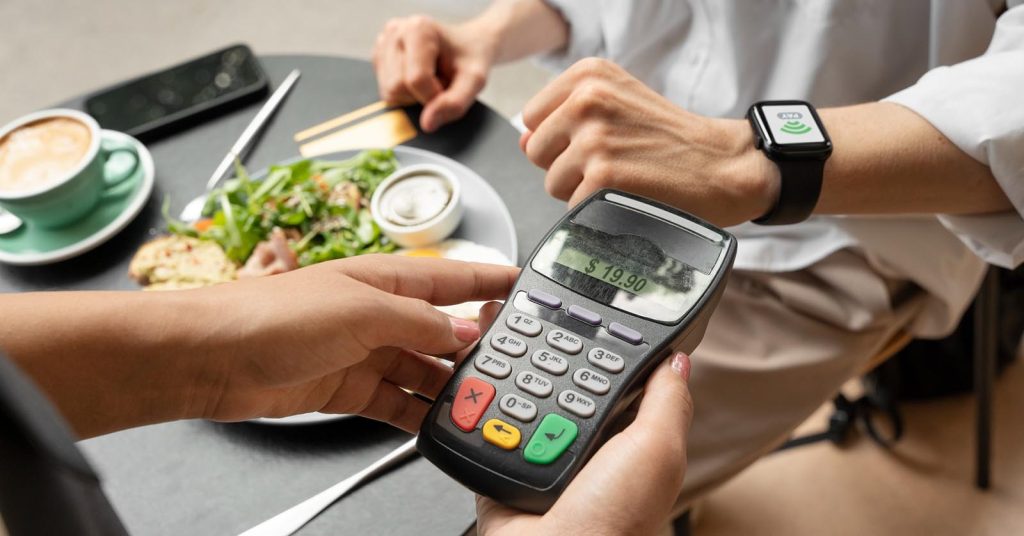
Customer paying by card for a meal at a restaurant

How to Spend Less on Restaurants, Takeout and Delivery

To spend less on restaurants, takeout, and food delivery, separate the meals you genuinely value from the ones you buy mainly because you are tired, rushed, or unprepared. Track restaurant, coffee, takeout, and delivery spending for several weeks, then choose

Woman sitting among shopping bags after shopping

No-Spend Challenge: How to Do It Without Rebound Spending

A no-spend challenge is a temporary period when you pause selected discretionary spending while continuing to pay for necessities and existing obligations. It can last a weekend, a week, a month, or another period that fits your goal; there is

Woman sitting in a red car and giving a thumbs-up

How to Save Money on Car and Transportation Costs

The best way to lower transportation costs is to look beyond the monthly car payment. Add up insurance, fuel or charging, maintenance, repairs, registration, parking, tolls, financing, and routine commuting. Then attack the largest repeatable costs first. Compare auto insurance

Couple enjoying drinks at a luxury home

Lifestyle Creep: How to Keep a Raise From Disappearing

Lifestyle creep, also called lifestyle inflation, happens when spending gradually rises as income rises, so a raise produces less financial progress than expected. Avoiding it does not mean keeping the same lifestyle forever. Before a higher paycheck becomes normal, decide

Woman holding a credit card while shopping online with shopping bags around her

How to Stop Impulse Buying and Spend More Intentionally

To stop impulse buying, make unplanned purchases slower and more visible. Identify the situations that trigger them—such as boredom, stress, social media, sales emails, one-click checkout, or shopping without a list. Remove saved payment information, turn off retail notifications, keep

Holiday Spending Plan

Holiday Spending Plan: Avoid January Credit Card Debt

A holiday spending plan starts with one number you can afford from actual cash flow, not with a percentage of annual income or a credit limit. Include gifts, travel, food, hosting, decorations, events, and shipping, then divide the total into

Smart Back-to-School Budget

Back-to-School Budget: Save on Supplies, Clothes & Tech

A back-to-school budget works best when you set the total before you shop. Use the school’s current list, check what you already own, separate must-have items from purchases that can wait, and include clothing, technology, activity fees, transportation, and lunch

Groceries on a Budget

Groceries on a Budget: How to Spend Less on Food

The fastest way to lower a grocery bill is usually not extreme couponing. Build meals around food you already have, shop from a list, compare unit prices instead of package prices, try lower-cost brands when the quality works for you,

Cut Monthly Bills: Negotiate Better Deals or Switch

How to Lower Monthly Bills: Negotiate or Switch

Lowering monthly bills works best when you focus first on expenses that repeat and are large enough to matter: internet, mobile service, insurance, subscriptions, utilities, and account fees. Compare the current bill with the service you actually use, check competing

Frugal Living Guide

Frugal Living: Spend Less Without Feeling Deprived

Frugal living is not about buying the cheapest version of everything or turning every small pleasure into a financial mistake. It is about spending deliberately: cut costs that add little value, protect the things you already own, waste less food

How to Save Money in 2025

How to Save Money: 7 Strategies That Actually Work

Saving money gets easier when you stop treating it as whatever is left at the end of the month. Find one or two expenses that can realistically change, automate a sustainable transfer, build cash for emergencies, prepare separately for predictable