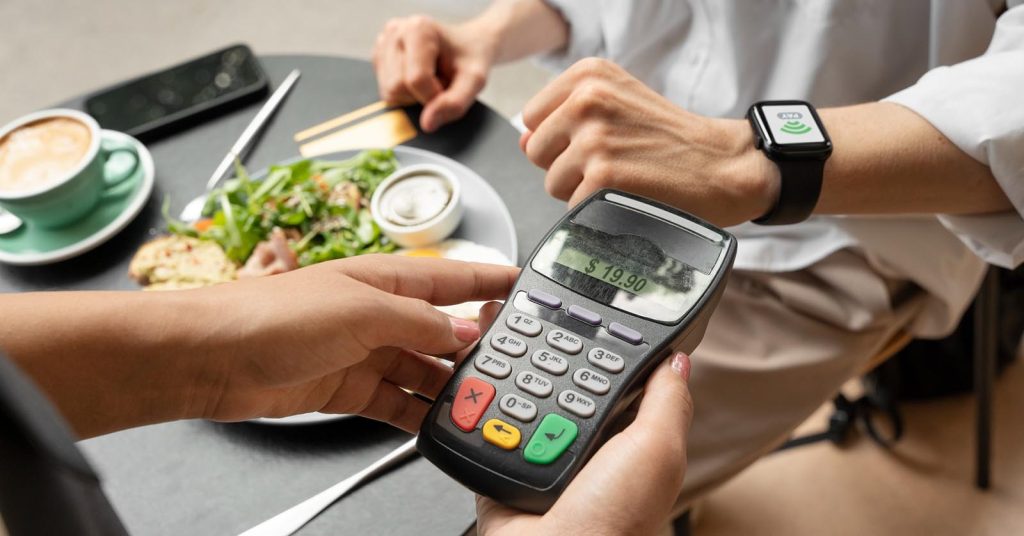
Enjoyable spending is not automatically impulse buying.
Planned restaurant meals, hobby purchases inside a set category, and small treats you deliberately budgeted for can all be discretionary without being financially careless.
Problems start when spending repeatedly happens before the decision has been made: you see the item, feel the urgency, and pay before checking whether the purchase fits anything else your money needs to do.
That is why the solution is not simply “have more self-control.” A stronger system makes the buying decision slower, more visible, and easier to compare with your real priorities.
Key Takeaways
- Unplanned timing is the defining feature: an impulse purchase happens before the buyer has planned for it.
- Look for triggers, not guilt: Identify where, when, and why unplanned purchases tend to happen.
- Add friction to checkout: Removing saved cards, retail apps, notifications, and automatic logins gives you more time to reconsider.
- Use waiting periods for wants: The more expensive the purchase, the more useful it is to separate seeing the item from buying it.
- Keep spending visible: Real-time awareness of what remains in a spending category can make a purchase easier to judge in context.
- Treat urgency as a cue to verify, not rush: countdown timers, scarce-stock messages, preselected extras, and other interface design can push shoppers toward faster decisions.
- Leave room for fun: A system that bans every spontaneous purchase can be harder to sustain than one with a realistic discretionary allowance.
- Review patterns instead of individual mistakes: One unplanned purchase matters less than a repeat trigger that drains hundreds of dollars every month.
What Counts as Impulse Buying?
An impulse purchase is a purchase made without planning for it beforehand. The financial risk is not the label itself but the tendency for repeated unplanned spending to outrun the amount available.
That definition is more useful than labeling every unnecessary purchase “bad.”
Consider the difference:
| Purchase | Impulse? | Why |
|---|---|---|
| A $45 dinner already included in your dining budget | Usually no | The spending was anticipated and funded |
| A $180 pair of shoes bought after seeing a social-media ad | Likely yes | The purchase was not planned before the trigger appeared |
| A laptop researched for three weeks and bought when the price dropped | No | The decision existed before the sale |
| A $7 checkout add-on you never considered until the retailer suggested it | Likely yes | The buying decision was created during checkout |
Purchase size does not determine whether a transaction is impulsive.
A $6 add-on can be impulsive. A $1,500 planned purchase can be deliberate.
What matters is whether you had already decided the purchase belongs in your financial plan before the shopping environment pushed you toward it.
Find Your Spending Triggers Before You Try to Fix Them
Seemingly random impulse purchases often reveal patterns when you review them as a group.
Look back over the last one to three months of card and bank activity and flag purchases that were not planned in advance.
For each one, note:
- what you bought;
- how much it cost;
- where you first saw it;
- what time of day you bought it;
- whether you were shopping for something else;
- whether a sale, countdown, free-shipping threshold, or limited-stock message influenced the timing;
- whether you were bored, stressed, celebrating, or procrastinating;
- whether you returned the item; and
- whether you would buy it again today.
You are looking for patterns, not excuses.
Common triggers can include:
- social-media ads;
- retailer emails and texts;
- shopping when bored;
- shopping after a stressful day;
- free-shipping thresholds;
- flash sales;
- being paid;
- shopping with friends;
- saved credit-card details; and
- buying one planned item and then browsing.
Once you know the trigger, change the environment around it.
Add Friction to Online Shopping
Online stores are designed to make buying easy. Your job is not to make shopping impossible; it is to restore enough friction that you have time to make a decision.
Useful barriers include:
- delete saved credit- and debit-card numbers from retail websites;
- turn off retailer push notifications;
- unsubscribe from promotional texts and low-value sales emails;
- remove shopping apps you open reflexively;
- log out of stores after making a purchase;
- disable one-click purchasing where possible;
- remove saved addresses if instant checkout is a major trigger; and
- stop following retail accounts that mainly create new wants.
None of these steps saves money by itself.
They create a pause between wanting and buying.
That pause matters because many online purchases are completed before the buyer has compared the item with the rest of the month’s spending.
CFPB research on spending management found strong consumer interest in seeing real-time information about how a purchase would affect the money remaining in a budget. Participants reported that this kind of feedback could help curb impulse spending and make it easier to stay within a budget.
You can recreate that idea manually: before a discretionary checkout, look at what remains in the relevant spending category.
Use the Monthly Budget Calculator to establish the broad spending plan; after that, the important number at checkout is how much discretionary money is actually left.
Use a Waiting Rule That Matches the Purchase
Waiting rules give purchases time to survive their initial urgency.
There is no official financial rule saying every purchase must wait exactly 24 hours.
Use a period that grows with the cost and consequence.
| Purchase type | Possible waiting rule |
|---|---|
| Small discretionary item | Leave it until tomorrow |
| Moderate nonessential purchase | Wait several days |
| Expensive discretionary purchase | Wait one or two weeks and compare alternatives |
| Major purchase | Build an actual purchase plan before buying |
Treat the table as a framework rather than a required timetable.
The useful move is to separate the transaction from the exact moment the desire appears.
Major purchases—a car, laptop, appliance, furniture, or another item that can materially affect cash flow—deserve a fuller process rather than merely a longer waiting rule. Planning a major purchase should include all-in cost, financing, timing, and replacement decisions.
Shop From a List and Give Unplanned Items Somewhere to Go
A strict “do not buy anything that is not on the list” rule can work well for groceries. General shopping is harder because you will sometimes discover something useful that you did not know existed.
Instead of forcing an immediate yes-or-no decision, create a third option: not now.
Keep a wish list or purchase queue with:
- the item;
- current price;
- why you want it;
- when you added it;
- the category it would come from; and
- the earliest date you will reconsider it.
When the date arrives, ask:
- Would I still want this without the sale or urgency?
- Is there already something I own that solves the same problem?
- At the full current price, would I still buy it?
- What will I use it for?
- Which other spending would this replace?
- Can available cash cover it without disrupting a higher priority?
Wish lists turn desire into information.
You may discover that some items stay attractive for months and deserve to be purchased. Others disappear from the list without effort.
That is intentional spending: not refusing every want, but letting wants compete with one another before money leaves the account.
Watch for Urgency, Scarcity, and Other Shopping Pressure
Some shopping environments deliberately make decisions feel more urgent than they are.
So-called “dark patterns” are interface designs that can mislead or manipulate consumers into choices they might not otherwise make.
Examples identified by the FTC include:
- countdown timers that falsely imply an offer is about to disappear;
- important terms hidden or delayed;
- preselected options that steer a consumer toward added charges;
- ads designed to look like independent content;
- hard-to-cancel recurring charges; and
- interfaces that make the preferred business choice much easier than the alternative.
Not every countdown or low-stock message is false. A useful response is to verify the urgency rather than let it override your normal decision process.
Before paying, check the cart for:
- automatically added warranties;
- subscription enrollment;
- rush shipping;
- donations or add-ons;
- quantity changes;
- trial periods that become recurring charges; and
- financing that makes the monthly payment look smaller than the total purchase.
Repeated surprise charges are a reason to run a recurring-bill audit and cancel, negotiate, or monitor services that no longer justify their cost.
Make the Total Cost More Visible Than the Payment
Small monthly payments can make purchases feel cheaper than they are.
This matters with:
- credit cards;
- store financing;
- installment loans;
- buy now, pay later plans;
- subscriptions; and
- device or service bundles.
Before accepting financing for a discretionary purchase, write down:
- the total purchase price;
- the total amount of all scheduled payments;
- interest or fees, if any;
- the payment dates;
- how much of future income is already committed; and
- what happens if the payment overlaps with another major bill.
Credit is a payment tool, not a new spending category.
Smaller payment boxes do not make the underlying cost disappear when the full purchase price would not fit the budget.
Give Yourself a Planned Amount for Spontaneous Spending
Spending systems can be too strict to survive.
Requiring a major financial review for every coffee, book, game, clothing purchase, hobby expense, or social invitation can make the plan too exhausting to keep.
Instead, decide how much discretionary money can be spent without further analysis.
What you get is a useful boundary:
- Inside the discretionary amount: spend freely enough that the system remains livable.
- Outside the amount: use the waiting and planning process before borrowing from another goal.
The broader frugal-living principle is similar: spending less is most sustainable when you cut low-value costs without treating every enjoyable purchase as a mistake.
What to Do After an Impulse Purchase
An impulse purchase does not need to turn into a month of financial punishment.
The transaction itself is the best place to begin the review.
If You Do Not Want the Item
Check the retailer’s return policy and return it promptly if the item is eligible and the return makes sense.
Sunk cost is not a reason to keep an item when the seller’s policy still allows you to recover the money.
If You Want to Keep It
Decide which discretionary spending the purchase replaces.
Avoid automatically pulling the money from:
- rent or mortgage funds;
- minimum debt payments;
- an emergency reserve;
- a sinking fund for a known bill; or
- money already committed to another necessary expense.
If It Went on a Credit Card
Update the card balance immediately and determine how the charge will be repaid.
Revolving balances can push the final cost above the sticker price because of interest. Repeated unplanned card spending is therefore a stronger warning sign than an occasional cash purchase that remains inside the discretionary budget.
Then record the trigger.
Reviewing the trigger is about preventing the same shopping pattern from repeating unnoticed, not proving that the purchase was irresponsible.
Build an Intentional-Spending System You Can Repeat
You do not need ten separate rules every time you enter a store.
One repeatable system can be:
- Know the discretionary amount. Decide how much money is available after higher priorities.
- Shop with a purpose. Lists work well for groceries, errands, and planned purchases.
- Remove your strongest triggers. Delete apps, alerts, or saved payment details where they repeatedly create spending.
- Say “not now.” Put unplanned wants on a wish list instead of deciding at checkout.
- Wait longer as the cost rises.
- Check the total cost. Ignore the psychological comfort of a small monthly payment.
- Verify urgency. Countdowns and sales should not bypass the decision process.
- Review monthly patterns. Look for repeated stores, categories, times, or emotions behind unplanned purchases.
- Redirect genuine savings. When spending falls, move part of the difference toward a goal instead of letting it disappear into another category.
Freed-up cash of $80 or $150 a month needs a destination if you want the reduction to become lasting progress.
Turn recurring reductions into a broader savings system, or use the Savings Goal Calculator to connect a regular monthly amount to a specific target.
Spontaneous spending does not need to disappear.
Keep it small enough that it does not repeatedly outrank the things you already decided matter more.
Frequently Asked Questions (FAQs)
What is impulse buying?
An impulse purchase is one you did not plan beforehand. Purchase size can be small or large. What makes it impulsive is that the decision happens in response to the shopping situation rather than as part of an earlier spending plan.
What is the best way to stop impulse buying online?
Add friction. Remove saved payment information, turn off retail notifications, delete shopping apps that trigger browsing, and put nonessential items on a wish list before checkout. Next, check how much discretionary money remains before deciding.
Does the 24-hour rule work for impulse buying?
It can be a useful cooling-off period, but 24 hours is not a universal rule. Small purchases may need only a short pause, while expensive discretionary purchases deserve several days or a more complete purchase plan.
Should I unsubscribe from sales emails?
Promotional emails that repeatedly create unplanned purchases are useful candidates for unsubscribing. Save messages that provide information you genuinely use and remove those that mainly create shopping opportunities.
Is using a credit card causing my impulse spending?
Not necessarily. Credit cards can be useful payment tools, but fast checkout and delayed repayment can make the immediate cost less visible. Card spending that acts as a trigger calls for making the total balance and available discretionary budget visible before each purchase.
How do I stop impulse buying without feeling deprived?
Maintain a realistic discretionary category for spending you enjoy. Spontaneous purchases can stay in the plan as long as they do not interfere with required bills, savings, debt payments, or higher-priority goals.
What should I do if I regret an impulse purchase?
Check whether the item can be returned under the retailer’s policy. Keeping the item means deciding what discretionary spending it replaces and updating any credit-card payoff plan immediately. Finally, note the trigger so you can change the environment that led to the purchase.
Sources
- Consumer Financial Protection Bureau — Financial Terms Glossary
- Consumer Financial Protection Bureau — Consumer Insights on Managing Spending
- Consumer Financial Protection Bureau — Managing Your Spending to Achieve Your Goals
- Federal Trade Commission — Dark Patterns Designed to Trick and Trap Consumers
- Federal Trade Commission — Bringing Dark Patterns to Light