
Emergency & Sinking Funds

Emergency funds and sinking funds solve different cash-flow problems: one protects against surprises, while the other prepares for expenses you know are coming. Coverage includes target amounts, account setup, debt tradeoffs, depleted reserves, and saving with low or irregular income.

Man holding a glass jar filled with dollar bills
Person counting coins and building a small emergency fund in a glass jar

How to Build an Emergency Fund on a Low Income

If money is already tight, do not start by forcing a large monthly savings target. Keep essential bills and required debt payments current, then choose a small first emergency goal that could absorb one realistic surprise without using a credit […]


Self-employed woman reviewing income and expenses with a laptop and calculator

Emergency Fund for Self-Employed and Irregular Income

Self-employed workers and households with variable income need an emergency fund that can protect against more than one bad month. First separate three jobs: money reserved for taxes, cash held to smooth predictable low-income periods, and true emergency savings for

Woman holding a credit card while writing in a notepad at home

Can a Credit Card Be Your Emergency Fund?

Borrowing with a credit card can be a useful emergency payment tool, but it is not an emergency fund. Emergency savings are cash you already own; a credit card is borrowing capacity that creates a balance you must repay. Job

Man leaning over a calculator while reviewing financial paperwork

Emergency Fund Running Low? What to Do Next

A shrinking emergency fund changes the priority: stabilize the active emergency before focusing on rebuilding. Calculate how much cash remains, estimate the next few weeks of essential expenses, and protect housing, utilities, food, transportation needed for income, insurance, and other

Person writing on a financial worksheet beside a pink piggy bank

Emergency Fund vs. Paying Off Debt: What Comes First?

For many households, the best order is not “all savings first” or “all debt first.” Keep essential bills current and make required minimum debt payments, then build a starter emergency cushion if you have little or no accessible cash. Once

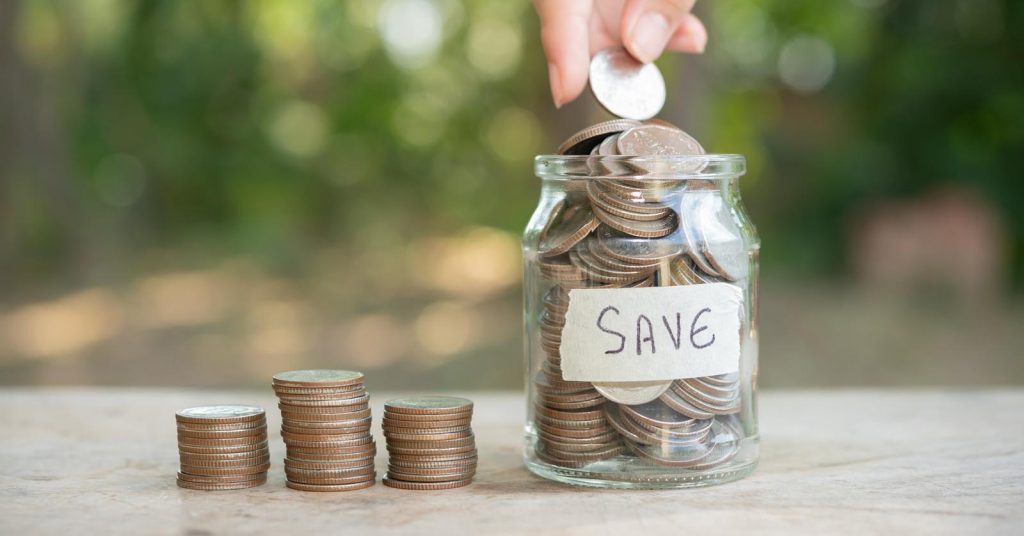
Hand dropping a coin into a savings jar labeled SAVE beside stacks of coins

Rainy Day Fund: What It Is vs. an Emergency Fund

No law or banking rule creates a separate account type called a “rainy day fund,” and no universal cutoff separates it from an emergency fund. In fact, the Federal Reserve uses the terms together when asking households about “emergency or

Sinking Funds: Plan Irregular Expenses

Sinking Funds: Plan Irregular Expenses

A sinking fund is money you set aside gradually for an expense you expect but do not pay every month—such as car registration, an annual insurance premium, holiday spending, school costs, or routine vehicle maintenance. These periodic expenses are often

Emergency Fund: How Much to Save & Where to Keep

Emergency Fund: How Much to Save & Where to Keep

Emergency savings are cash reserved for unplanned financial shocks such as a job loss, urgent car or home repair, or unexpected medical bill. No single federal “correct” balance exists. Building in stages works well: first save enough to handle one