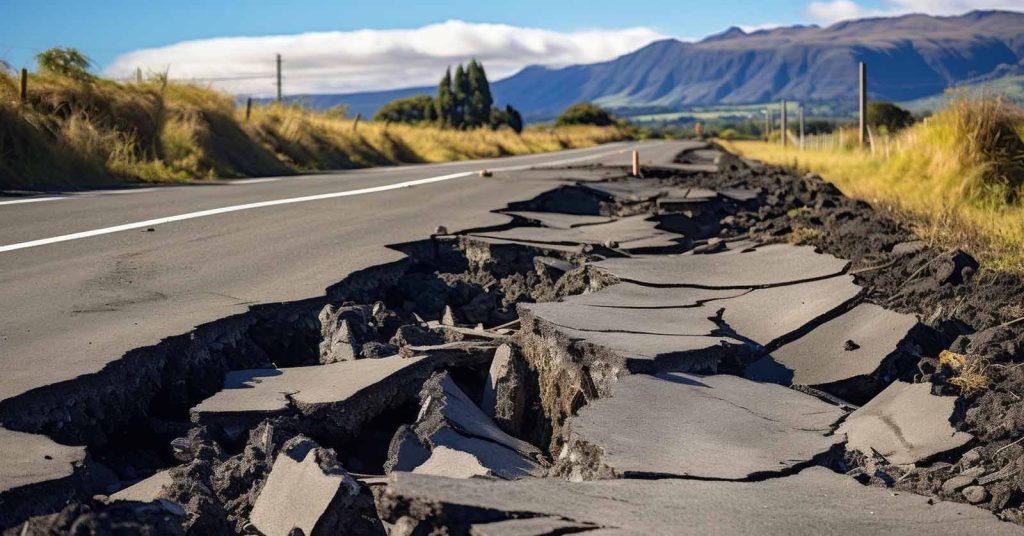
Policies can show a large dwelling limit and still leave a homeowner with a costly gap. Coverage shortfalls can come from depreciation on belongings, rebuilding costs above the dwelling limit, sewer backup, new building-code requirements or special limits on valuable items.
Those are different problems, so they should not be solved with a generic bundle of add-ons. An endorsement becomes part of the insurance contract and can materially change what the underlying policy says. Instead of asking which riders every homeowner should buy, ask which uncovered or underinsured loss a particular endorsement would fix.
What an Insurance Endorsement Actually Changes
An endorsement, sometimes called a rider, is an amendment to an insurance policy. It can add coverage, remove or exclude coverage, modify existing protection or increase limits. Insurers may issue an endorsement when the policy starts, during the policy term or at renewal, depending on the insurer and situation.
That makes the endorsement itself important policy language. Do not rely only on the label shown on a quote. Keep the actual form and read it together with the declarations page and base policy.
Before adding anything, confirm that the underlying homeowners insurance policy already has appropriate core limits and that you understand how Coverages A through F are structured. A rider can improve a policy, but it cannot fix an unrelated limit or exclusion that remains unchanged.
Replacement Cost Endorsements Can Solve Two Different Problems
“Replacement cost” can refer to the house or to your belongings, and those are separate decisions.
Extended or Guaranteed Replacement Cost on the Dwelling
A standard replacement-cost policy can still cap payment at the dwelling limit shown on the declarations page. Extended replacement cost provides an additional specified amount or percentage above that limit when a covered rebuilding loss exceeds it.
Guaranteed replacement cost is broader because it is intended to pay the full cost to repair or rebuild after a covered loss even when that cost exceeds the stated dwelling limit. Terminology and form requirements can differ by state. Under California law, a policy cannot be marketed as “guaranteed replacement cost” unless it will pay to completely rebuild the home regardless of the coverage limit.
These protections are most relevant to a different risk than ordinary underinsurance: the dwelling limit may have been reasonably estimated, but actual reconstruction costs can still exceed it after a major loss.
Replacement Cost on Personal Property
Your dwelling and belongings do not automatically have the same valuation terms.
Actual cash value reflects age, wear and depreciation. By contrast, replacement cost value uses the cost to repair or replace damaged property with materials or items of like kind and quality without the same depreciation deduction, subject to the policy terms.
Personal-property replacement cost may already be included in a policy or may be available through an endorsement. Check rather than assume. Many replacement-cost claims also have settlement conditions that affect when recoverable depreciation is paid.
Water Backup Coverage Is Not the Same as Flood Insurance
Water backup is one of the easiest endorsements to misunderstand because several types of water loss can produce similar damage inside a basement.
Some homeowners insurers offer sewer-backup endorsements that can include certain sump-pump failures. Wording varies by insurer, and the coverage is generally subject to the dollar limit selected.
An optional water-backup endorsement can address losses involving water that backs up through sewers or drains or discharges or overflows from a sump system, when the event fits the endorsement. It does not automatically turn the homeowners policy into flood insurance.
Flood has a different insurance framework. Standard homeowners insurance generally does not cover flood damage. Under NFIP rules, sewer or drain backup can be covered when a qualifying flood is the direct cause, but not merely because a sewer, drain or sump malfunction occurred.
When comparing water-backup endorsements, check the dollar limit, deductible if applicable, whether both building and personal-property damage are included, how sump-related losses are defined, and whether any restrictions apply when flooding contributes to the event.
Ordinance or Law Coverage Pays for Code-Related Rebuilding Costs
A covered loss can create a second bill that did not exist when the house was built: bringing repaired or reconstructed portions of the home into compliance with current building codes.
Standard homeowners policies may not cover the added expense of complying with current local building codes unless Ordinance or Law coverage applies. Examples can include required updates to electrical wiring, plumbing, windows, roofing, or other building components.
The need can become particularly important when a code requires work beyond the visibly damaged portion of the house. Depending on the endorsement, covered costs may include some combination of demolition of undamaged property, increased construction costs, and other code-related expenses after a covered loss.
Do not assume a nationwide default percentage. Some policies include a limited amount, others offer higher limits, and policy forms differ. Look at the actual dollar amount or percentage on the declarations page and ask what expenses that limit applies to.
Scheduled Personal Property Can Address Special Limits on Valuables
A high Coverage C limit does not necessarily mean an expensive individual item is fully protected.
Homeowners policies commonly impose special limits on certain categories of property. Jewelry, antiques, fine art, coins, stamps, firearms, computers and other valuables may need scheduled personal property coverage or a personal articles floater for adequate protection.
Scheduling property can increase the amount insured for a specific item and may alter the scope of covered losses. Your insurer may require an appraisal, receipt, description, photograph, or other evidence of value.
Review this coverage when you acquire an expensive item rather than waiting for the annual renewal. Also check whether the item’s value has changed enough that an older scheduled amount is no longer adequate.
Inflation Guard Helps Limits Move, but It Does Not Revalue the House
An inflation guard endorsement automatically increases the dwelling limit over time according to the mechanism stated in the policy. The feature can help coverage respond to rising construction costs, but it does not replace a fresh rebuild-cost estimate.
It is useful, but it solves a narrower problem than a fresh rebuilding-cost estimate.
Automatic increases may not capture:
- A major addition or renovation
- Higher-quality finishes installed after the policy was written
- A change in square footage
- Unusual local labor or material conditions
- Features that were missing from the original replacement-cost estimate
After a significant home improvement, update the property information with the insurer instead of relying on the inflation adjustment to catch up on its own.
Service Line Coverage Can Protect Buried Utilities You Are Responsible For
Responsibility for an underground utility line can shift from the utility provider to the homeowner before the line reaches the house. A standard homeowners contract does not necessarily provide broad protection for the cost of repairing that buried line.
Service-line endorsements can add protection for certain underground water, sewer, drainage, electrical, gas, steam or communications lines on the insured property. Terms and covered causes of loss vary by insurer.
Coverage definitions are insurer-specific. A covered equipment “disruption” may be defined around events such as a leak, break, tear, rupture, collapse or electrical arcing, while simple blockage or low pressure may not qualify without covered physical damage.
Before buying, determine:
- Which portion of each utility line you legally own or are responsible for
- Which types of lines the endorsement covers
- What causes of physical damage qualify
- The dollar limit and deductible
- Whether excavation and restoration of landscaping or hard surfaces are included
- Whether age or other policy restrictions apply
This coverage also differs from a utility-line warranty or service contract sold by a non-insurance company. Compare what each contract actually promises rather than treating the products as interchangeable.
Which Endorsements Are Worth Reviewing for Your Home?
No standard endorsement package fits every home. Match each add-on to a financial exposure that actually exists.
| If this is your concern | Coverage to investigate | Question to ask before buying |
|---|---|---|
| Rebuilding cost could exceed the dwelling limit | Extended or guaranteed replacement cost | How far above Coverage A can the policy pay, and what conditions must I meet? |
| Belongings are covered at depreciated value | Personal-property replacement cost | Is replacement cost already included, and when is recoverable depreciation paid? |
| Sewer, drain, or sump water could damage finished areas | Water backup | Which backup causes are covered and what dollar limit applies? |
| Rebuilding could trigger newer code requirements | Ordinance or law | What code-related costs are covered and what is the actual limit? |
| Valuable items exceed special policy limits | Scheduled personal property | Which items should be scheduled and what documentation is required? |
| Construction costs rise between policy reviews | Inflation guard | How is the automatic increase calculated, and does it apply at renewal or during the term? |
| You are responsible for costly buried utility lines | Service line coverage | Which lines and causes of damage qualify, and where does my responsibility begin? |
Other endorsements may be available for risks such as equipment breakdown, home-business exposures, identity or cyber losses, specific weather hazards, or other property concerns. Availability and definitions vary too much by insurer and state to assume the same protection from the name alone.
For every endorsement you consider, compare four things: the uncovered loss it is meant to solve, the amount available after a claim, exclusions or conditions that could prevent payment, and the added premium. If you cannot identify the specific gap being fixed, ask for the form before paying for the add-on.
Review Endorsements When the Home Changes
Endorsement choices can become outdated even when the policy renews automatically.
Review the declarations page and endorsement schedule after:
- A major remodel or addition
- Finishing a basement
- Buying expensive jewelry, art, collectibles, or equipment
- Installing or changing a sump system
- Major utility-line work
- A significant change in local rebuilding costs
- Moving a business activity into the home
- A claim that reveals a limit or exclusion you did not previously understand
Also review forms at renewal. Endorsements can change policy language, so the same coverage name does not guarantee that every renewal or competing insurer offers identical terms.
Frequently Asked Questions (FAQs)
Is an endorsement the same as a rider?
The terms are often used interchangeably. Both refer to a document that changes the terms of an existing insurance policy by adding, removing, restricting, or otherwise modifying coverage.
Is water backup included in standard homeowners insurance?
Do not assume it is. Many homeowners policies provide limited or no coverage for sewer or drain backups and sump-pump overflow, while insurers may offer an endorsement to fill that gap.
Is water backup coverage the same as flood insurance?
Water backup and flood insurance address different sources of water. Flood insurance has its own definition and policy terms, while a water-backup endorsement addresses specified sewer, drain, or sump events. When flooding causes a sewer backup, the interaction between policies depends on the cause and contract language.
What is the difference between extended and guaranteed replacement cost?
Extended replacement cost adds a stated amount or percentage above the dwelling limit. Guaranteed replacement cost is intended to provide broader rebuilding protection beyond the stated limit, but terminology and policy requirements can vary by state and insurer. Read the actual endorsement rather than relying on the label.
Does replacement cost on my house mean my belongings also have replacement cost?
Dwelling and personal-property valuation can differ. Check Coverage C and any personal-property replacement-cost endorsement separately.
Do I need Ordinance or Law coverage on a newer home?
Age is only one factor. Building codes can change after any home is built. Review what your base policy already provides and the likely cost of code-required work after a covered loss before choosing an additional limit.
Can an endorsement reduce coverage?
Yes. Endorsements can add, exclude, delete or otherwise modify coverage. Go through every endorsement attached to the policy, not only the optional add-ons you requested.
Sources
- National Association of Insurance Commissioners: Adding an Endorsement or Rider to an Existing Insurance Policy
- National Association of Insurance Commissioners: A Consumer’s Guide to Home Insurance
- National Association of Insurance Commissioners: Actual Cash Value vs. Replacement Cost Coverage
- California Department of Insurance: Residential Insurance — Homeowners and Renters
- New York Department of Financial Services: Homeowners Insurance — Basic Coverage and Adding Coverage
- National Association of Insurance Commissioners: Post-Disaster Claims Guide
- Maryland Insurance Administration: Buried Utility Lines Coverage
- Federal Emergency Management Agency: Flood Insurance