Homes can be worth one amount on the real-estate market, cost a different amount to rebuild, and be insured for yet another figure. Those numbers are easy to confuse until a major loss makes the distinction expensive.
The policy is designed around the cost and legal consequences of covered losses, not around the home’s sale price. Understanding a policy therefore starts with three questions: what property and liability risks are covered, which causes of loss are excluded, and how much the policy will actually pay after limits and deductibles apply.
Key Takeaways
- Homeowners insurance protects more than the building: a policy can also cover belongings, additional living expenses, personal liability, and certain medical payments to others.
- Coverage depends on the cause of loss: a damaged home is not automatically a covered home. The peril, exclusions, conditions, and endorsements control the claim.
- Rebuilding cost is different from market value: dwelling coverage should be based on what it would cost to rebuild the insured home, not what the property could sell for.
- Replacement cost and actual cash value can produce very different payouts: ACV generally reflects depreciation, while replacement cost coverage does not deduct depreciation in the same way when its conditions are met.
- Flood and earthquake need separate attention: standard homeowners insurance generally does not cover them.
- A mortgage changes the insurance requirement: lenders generally require homeowners coverage, and a lapse can lead to expensive force-placed insurance.
What Homeowners Insurance Protects
A homeowners policy usually combines several kinds of protection that would otherwise be separate financial risks.
| Protection | What it generally does |
|---|---|
| Dwelling | Helps repair or rebuild the house and attached structures after a covered loss |
| Other structures | Covers certain detached structures such as a shed, fence, or detached garage |
| Personal property | Covers belongings such as furniture, clothing, and electronics, subject to the policy’s perils, limits, and sublimits |
| Loss of use | Helps with additional living expenses when a covered loss makes the home uninhabitable |
| Personal liability | Provides protection for certain claims alleging that you are legally responsible for bodily injury or property damage to someone else |
| Medical payments | Can pay qualifying medical expenses for certain people injured on the property or in other situations described by the policy, without functioning as health insurance for your household |
These protections are often identified as Coverages A through F, but the labels alone do not tell you how strong the policy is. Limits, exclusions, valuation provisions, special sublimits, and endorsements can change the result significantly.
For example, two policies can both include personal property coverage while one settles covered belongings at actual cash value and the other provides replacement cost coverage. Likewise, liability limits are selected separately and may differ dramatically between otherwise similar quotes.
How Covered Perils and Exclusions Work
Property damage alone does not trigger a homeowners payout. Cause of the damage must fit the contract.
Policies generally use one of two approaches to covered perils:
- Named-perils coverage covers losses caused by perils specifically listed in the policy.
- Open-perils coverage generally covers direct physical loss unless the cause is excluded or limited by the contract.
Common homeowners forms can use different approaches for the dwelling and personal property. An HO-3 form, for example, commonly provides broader open-perils protection for the dwelling while personal property is covered for listed perils. HO-5 generally broadens the treatment of personal property as well. Actual forms and endorsements vary by insurer and state, so the form name is not a substitute for reading the contract.
Fire, wind, hail, theft, and certain sudden accidental losses are common examples of perils that may be covered, depending on the policy. Exclusions remove or restrict coverage even when the loss involves the home.
How Much Homeowners Insurance Do You Need?
Your dwelling limit should be tied to the estimated cost of rebuilding the insured home with materials of similar kind and quality, not to the mortgage balance or the property’s market value.
Market value includes the value of the land and local real-estate conditions. Rebuilding cost reflects construction labor, materials, demolition, design, permits, and other costs associated with restoring the structure. Replacement cost can sit above or below the home’s sale price.
Review dwelling coverage over time because remodeling, additions, inflation and changing construction costs can leave an old limit out of date.
Other property limits are often related to the dwelling limit, while personal liability and medical-payments limits are generally selected separately. Check the declarations page rather than assuming a standard percentage applies to your policy.
For personal property, a home inventory can help answer a different question: whether the contents limit and special-item sublimits are enough for what you actually own. Photos, receipts, model numbers, and appraisals for valuable items can also make a future claim easier to document.
Replacement Cost vs. Actual Cash Value
Coverage limits tell you the maximum protection available. Valuation tells you how the insurer measures a covered loss.
| Valuation method | How it generally works | Main tradeoff |
|---|---|---|
| Replacement cost value (RCV) | Uses the cost to repair or replace covered property with materials or items of like kind and quality, subject to policy terms | Can provide more money to restore or replace property, but may cost more and may require repair or replacement before all recoverable depreciation is paid |
| Actual cash value (ACV) | Generally reflects repair or replacement cost after depreciation for age and wear | May reduce premium in some situations but can leave a larger gap between the claim payment and the cost of new replacement property |
The valuation method can differ by part of the policy. Different parts of the same policy can use different settlement terms; the dwelling may have replacement cost coverage while a roof or personal property is subject to another provision or endorsement.
Do not assume the word “replacement” means every rebuilding cost is unlimited. Your dwelling limit, extended-replacement provisions, code-upgrade coverage, exclusions, and other conditions still matter.
How Deductibles Affect a Home Insurance Claim
Deductibles assign part of a covered property loss to the policyholder before the insurer’s payment is calculated under the policy.
Some policies use a flat-dollar deductible. Others can include separate percentage deductibles for certain catastrophe risks such as hurricanes, named storms, or wind and hail. Percentage deductibles may be based on an insured value such as the dwelling limit rather than on the amount of the loss.
Higher deductibles generally reduce premiums because the homeowner retains more of the first-dollar loss. The tradeoff only works if you could comfortably pay that deductible after a fire, storm, theft, or other covered event.
When a loss happens, notify the insurer promptly, document damage with photos or video, protect the property from further damage when it is safe to do so, and keep receipts for reasonable emergency repairs. Your insurer will typically assign an adjuster to evaluate the covered damage and apply the policy’s limits, deductibles, and valuation rules.
Keep a copy of the damaged-property inventory, estimates, receipts, claim correspondence, and settlement documents. If a major claim includes additional living expenses, keep records of the extra costs created by the displacement rather than only your normal household spending.
What Homeowners Insurance Usually Does Not Cover
The most important gaps are not always rare events. Some are common risks that simply fall outside a standard homeowners contract.
Flood
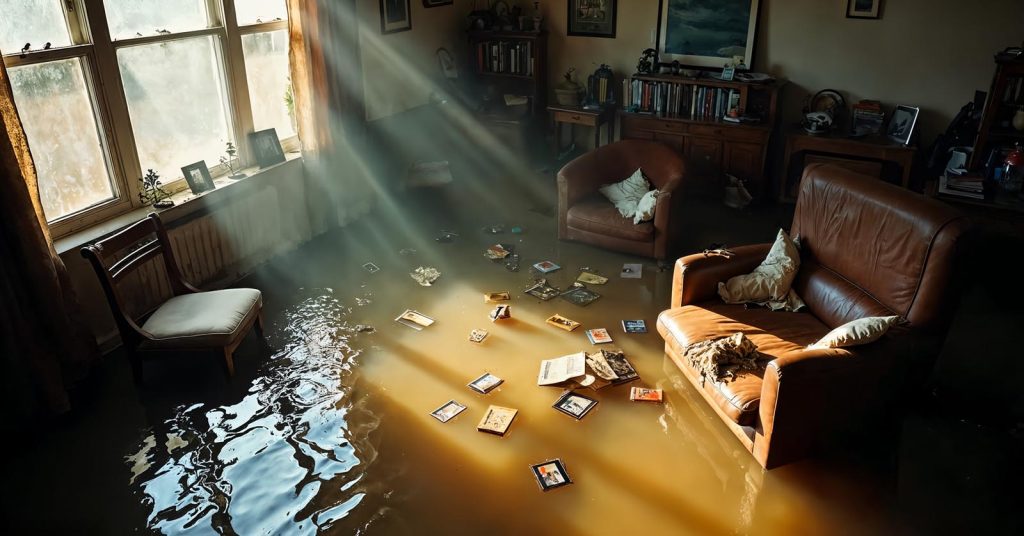
Standard homeowners insurance generally does not cover flood damage. Flood protection is available separately through the National Flood Insurance Program and private insurers. For certain buildings in Special Flood Hazard Areas, federal rules require flood insurance when the property secures a federally backed mortgage; lenders can also impose requirements beyond the federal minimum in some circumstances.
Earthquake and Earth Movement
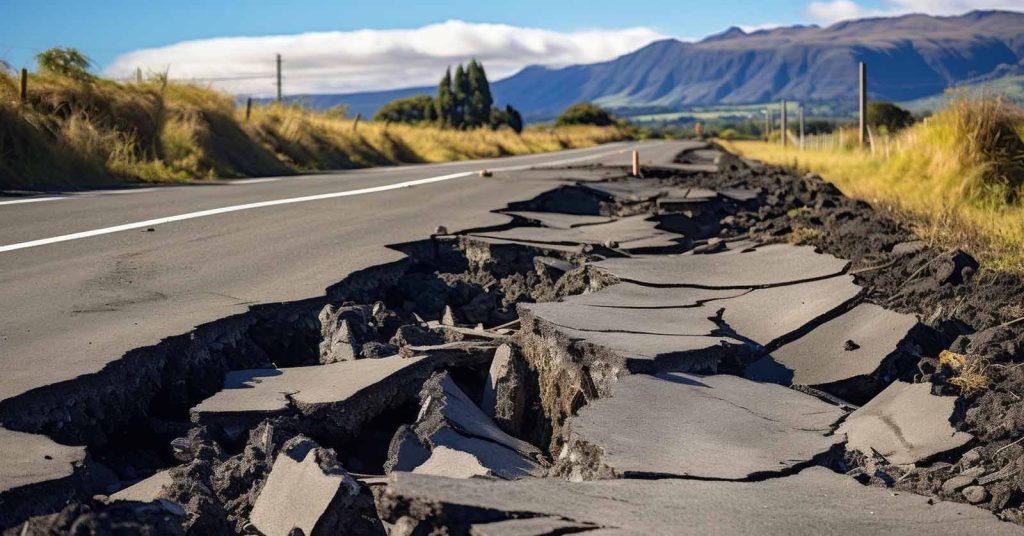
Earthquake damage is generally not part of standard homeowners coverage. Depending on the market, coverage may be available through an endorsement or separate earthquake policy.
Wear, Tear, and Maintenance
Routine maintenance remains the homeowner’s responsibility rather than an insurance benefit. Long-term deterioration, neglected maintenance, infestations and similar conditions can fall outside coverage, even when a sudden resulting loss raises a separate coverage question under the policy.
Other Gaps
Sewer or drain backup, high-value jewelry or collectibles, home-business property, equipment breakdown, and other risks may have limited or no coverage unless the policy already includes protection or you add an endorsement.
Water claims illustrate why cause matters. Sudden accidental water damage from a covered plumbing event can be treated differently from floodwater, seepage, repeated leakage, or damage tied to poor maintenance. Never decide from the word “water” alone.
Does a Mortgage Require Homeowners Insurance?
Mortgage lenders generally require borrowers to keep homeowners insurance in force because the home secures the loan. Borrowers can ordinarily shop for their own insurer as long as the policy satisfies the lender’s requirements.
Your premium may be paid directly by the homeowner or through a mortgage escrow account. With escrow, part of the monthly mortgage payment is held by the servicer and used to pay the insurance bill when it comes due.
If required coverage lapses or no longer meets the mortgage contract, the lender or servicer may obtain force-placed insurance and charge the borrower. Force-placed coverage is usually more expensive than coverage purchased independently and, in many cases, protects only the lender’s interest rather than providing the broad protection a homeowner would normally buy.
What Affects the Cost of Homeowners Insurance?
There is no useful nationwide “typical premium” for an individual house. Rates can vary substantially because insurers price the specific property, location, coverage, and risks under state-approved rules.
Factors that can affect a quote include:
- Estimated rebuilding cost
- Location and exposure to wildfire, wind, hail, hurricanes, or other hazards
- Construction type and home characteristics
- Roof age, material, and condition
- Coverage limits and valuation method
- Base and catastrophe deductibles
- Optional endorsements
- Claims history and other rating factors permitted under state law
- Mitigation features such as qualifying roof, wind, fire, or water-loss protections
- The insurer’s underwriting and pricing
Market conditions can also affect availability. A 2025 U.S. Treasury analysis of homeowners insurance data from 2018 through 2022 found rising premiums and higher nonrenewal rates in areas with greater expected climate-related losses. That does not predict what one household will pay, but it is a reason to compare quotes before a renewal deadline rather than assume every insurer will price the property similarly.
When comparing premiums, keep coverage constant. Cheaper quotes may achieve the lower price through a larger deductible, lower dwelling limit, ACV roof settlement, weaker personal-property valuation or fewer endorsements.
How to Compare Homeowners Policies Before You Buy
A useful comparison starts with the contract rather than the company logo.
- Check the dwelling limit. Ask what rebuild-cost estimate supports it and whether recent improvements are included.
- Compare covered perils. Determine whether the dwelling and personal property use named- or open-perils coverage.
- Check valuation. Identify whether the dwelling, roof, and personal property are settled at replacement cost or actual cash value.
- List every deductible. Look for separate wind, hail, hurricane, named-storm, or other percentage deductibles.
- Read major exclusions. Pay particular attention to water, earth movement, maintenance, business use, and vacancy provisions that matter to your property.
- Review sublimits. Jewelry, collectibles, electronics, firearms, cash, and other categories may have special limits.
- Compare liability protection. Make sure the liability limit fits the assets and exposures you are trying to protect rather than defaulting to the cheapest available option.
- Price missing risks separately. Flood, earthquake, sewer backup, ordinance or law, and other gaps may require endorsements or separate policies.
- Check the insurer and complaint resources. Your state insurance department can provide regulatory and consumer information for insurers operating in the state.
- Review the policy every year. Remodeling, rebuilding costs, valuables, household use, and local hazards can change faster than an old insurance limit.
The protection works best when the contract reflects the home you actually own and the losses you could realistically face. Price matters, but a lower premium is not a savings if the difference comes from a limit, deductible, valuation method, or exclusion you did not intend to accept.
Frequently Asked Questions (FAQs)
Is homeowners insurance required by law?
There is no single federal rule requiring every homeowner to carry a homeowners policy simply because they own a house. Mortgage lenders generally require coverage as a condition of the loan, and other contractual or local requirements may apply.
Is hazard insurance the same as homeowners insurance?
“Hazard insurance” is often used by mortgage lenders to refer to the property-protection portion of homeowners insurance. A full homeowners policy usually also includes personal property, loss-of-use, liability, and medical-payments protections.
Is homeowners insurance the same as mortgage insurance?
No. Homeowners insurance protects against covered property and liability losses. Private mortgage insurance generally protects the lender against certain losses if the borrower defaults on the loan.
Does homeowners insurance cover roof damage?
Roof damage can be covered when it results from an insured cause, but the payout depends on the policy. Age, exclusions, deductibles and ACV or replacement-cost provisions on the roof can materially change the claim.
Does homeowners insurance cover water damage?
Sometimes. Sudden accidental water damage from a covered plumbing event may be covered, while flood, groundwater, repeated leakage, seepage, or maintenance-related damage may be excluded. Cause of the water damage matters.
Can I choose my homeowners insurance company if I have a mortgage?
Generally, yes. Borrowers can shop for homeowners insurance and choose the company and policy, provided the coverage meets the mortgage lender’s requirements.
How often should I review my homeowners coverage?
Review it at least annually and after major renovations, additions, expensive purchases, or other changes that could affect rebuilding cost, personal-property limits, liability exposure, or needed endorsements.
Sources
- National Association of Insurance Commissioners: Homeowners Insurance
- National Association of Insurance Commissioners: A Consumer’s Guide to Home Insurance
- National Association of Insurance Commissioners: Actual Cash Value vs. Replacement Cost Coverage
- National Association of Insurance Commissioners: Filing a Homeowners Claim
- Consumer Financial Protection Bureau: What Is Homeowner’s Insurance and Why Is It Required?
- Consumer Financial Protection Bureau: Shop for Homeowner’s Insurance
- Consumer Financial Protection Bureau: Force-Placed Homeowner’s Insurance
- Federal Emergency Management Agency: Flood Insurance
- National Association of Insurance Commissioners: Earthquake Insurance
- U.S. Department of the Treasury: Homeowners Insurance Costs and Availability, 2025