A student can arrive with little furniture but a costly collection of essentials: a computer, phone, clothing, bedding, textbooks and equipment for a course or hobby. Replacing them all at once can be difficult even when none seems unusually valuable.
Insurance decisions should follow where the student lives and who is already insured. Paying tuition, being claimed as a tax dependent or having a parent co-sign the lease does not, by itself, answer the property-policy question.
Ask About Existing Family Coverage First
Contact the parent’s insurer with the student’s age, enrollment status, residence and housing arrangement. Ask whether the student qualifies as an insured and whether property and liability protection extend to that address.
A parent policy can cover an eligible student’s belongings in a dorm, but eligibility is not universal. Policy definitions, age conditions and enrollment requirements can differ. Do not apply a dependent-age rule from health insurance to a property contract.
Request answers to specific questions:
- What property limit applies at the dorm or other residence?
- Are valuables, musical instruments or course-related equipment restricted?
- Which deductible applies, and how are possessions valued?
- Does liability protection extend to the student and housing arrangement?
- What changes if enrollment, age or permanent residence changes?
A percentage sometimes quoted for property away from home may not describe every location or policy. Have the insurer identify the provision applicable to the student rather than borrowing a number from another family’s contract.
A Dorm and an Off-Campus Lease Can Create Different Needs
School-affiliated housing
Check existing coverage alongside the university’s housing agreement. The school’s insurance does not mean it will replace a student’s stolen or damaged possessions.
Ask about liability obligations, property claims and any recommended student insurance product. A school recommendation can help identify an option, but it does not establish that the product duplicates or improves existing family coverage.
An apartment or shared house
Give the family insurer the actual off-campus address and occupancy details. Do not assume coverage that applied to a dorm follows a move into an independently rented apartment.
The lease may require personal liability coverage and proof before move-in. Read the insurance requirement alongside local rules and confirm whether each tenant must provide separate evidence.
Graduate students and students establishing an independent residence should also confirm eligibility rather than relying on a parent’s previous assurance. The relevant policy definitions can change the answer even without a change in the family’s relationship.
Compare a Renters Policy With a Student Property Plan
Some products marketed to students concentrate on belongings or electronics. A broader renters policy commonly includes personal liability and additional living expense benefits as well. Compare the contracts rather than relying on the product name.
Check whether accidental drops, liquid spills or other accidental damage are insured. Replacement-cost wording concerns how a covered item is valued; it does not automatically expand the causes of loss. A standard named-peril policy can cover theft without covering a laptop dropped from a desk.
Review the deductible, maximum payment per item, territorial restrictions and how repairs or replacements are arranged. If a product lacks liability coverage, it may not satisfy the apartment’s lease requirement.
Avoid paying for overlapping coverage without understanding how a claim would be coordinated. Ask each insurer how other applicable insurance affects the claim and which deductible would apply.
Inventory What the Student Actually Takes
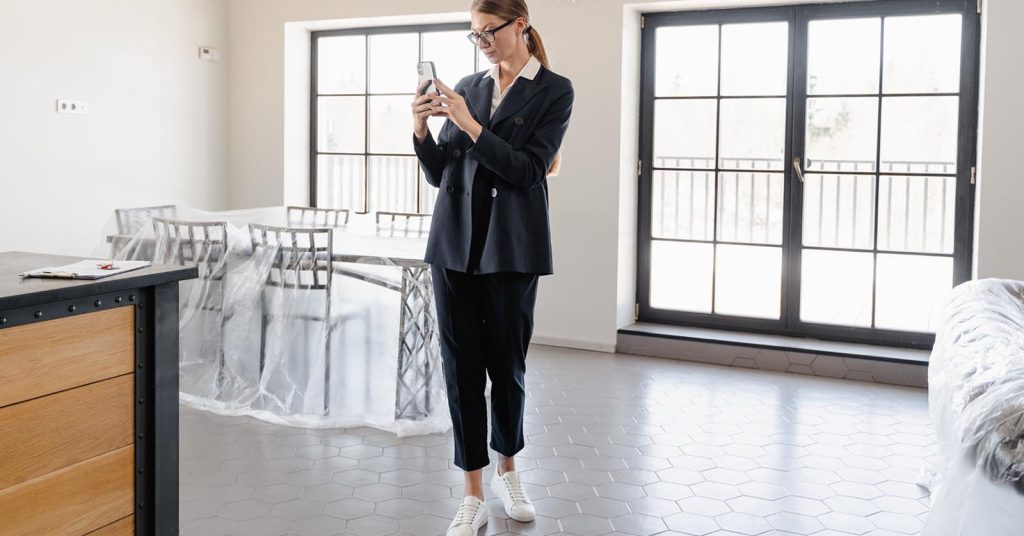
Photograph belongings before the move and record serial numbers for electronics and valuable equipment. Add clothing, bedding, kitchenware, books and sports items to the estimate. Save records where the student and parent can access them after a loss.
Separate personal property from borrowed equipment and items supplied by the university. Ask how the proposed contract handles those items; the student possessing a laptop does not necessarily make it student-owned property.
Use the replacement-cost estimate to select a property limit, then inspect special limits for instruments, jewelry and business or research equipment. A general limit can be adequate while an important item remains underinsured.
Illustrative coverage comparison: Suppose a covered student-property loss has an accepted value of $1,600. An applicable family policy has a $1,500 deductible, leaving a modeled $100 payment. A separate policy with otherwise equivalent coverage and a $250 deductible would model a $1,350 payment. The larger potential payment must be weighed against the separate premium and any differences in covered events, limits and claim-history effects.
Family and student policies can differ in covered events and settlement terms. Get current quotes and written coverage information rather than assuming the illustration describes a product offered to your household.
Roommates Need Their Own Coverage Decision
A dorm or apartment roommate is not automatically insured under the student’s or parent’s policy. The insurer may permit a shared arrangement, but it may instead require separate policies for unrelated residents.
When roommates share insurance, combined limits, claim records and policy changes can affect everyone insured. Confirm ownership of jointly purchased belongings and how claim checks would be handled.
One tenant buying a policy for the address does not establish that every student has satisfied the lease. Submit proof showing the required insured people and obtain confirmation from the property manager.
Check Theft, Liability and Housing Disruption
For a bicycle or computer used around campus, ask how theft away from home is treated. Business use, powered equipment and expensive items can need additional review.
Liability coverage addresses covered injuries or property damage for which an insured is legally responsible. It does not make every university damage assessment, pet charge or roommate dispute an insured claim. Damage to property rented to an insured can have restrictions of its own.
If covered damage makes the apartment uninhabitable, additional living expense coverage may reimburse qualifying extra costs. Review dollar and time limits and ask how campus housing alternatives affect the actual expense claim.
Outside flooding is generally excluded from a standard renters policy. A ground-floor or basement rental needs a specific flood-coverage discussion, including restrictions on basement belongings and the absence of living expense benefits under NFIP coverage.
Review the Policy Before Breaks and Moves
Ask about belongings left in the residence, stored elsewhere or taken on travel. Extended absence, subletting and a change of address can affect policy conditions. Update the insurer before changing the arrangement.
Do not cancel automatically when classes end if the lease and possessions remain at the apartment. Confirm when any replacement coverage begins and how to handle the old policy and landlord notification listing.
Keep the policy, claims contact and inventory accessible to the student. A parent arranging the purchase does not guarantee the student knows how to report a loss. At renewal, compare the actual annual cost and changing coverage needs.
Frequently Asked Questions
Does my parent’s signature on the lease insure my belongings?
No. Co-signing creates obligations under the rental agreement; insurance coverage follows the policy’s definitions and endorsements. Ask the insurer whether the student and address are covered.
Will renters insurance pay for an accidentally cracked laptop?
Not necessarily. A standard policy may cover only specified causes of property loss. Check accidental-damage terms separately from replacement-cost valuation.
Can an international student buy renters insurance?
Eligibility and application requirements vary by insurer. Provide accurate residence and household details, ask what identification is accepted and confirm the issued coverage rather than assuming every provider uses the same process.
Should I cancel coverage while home for the summer?
Review the continuing lease, stored belongings, policy conditions and any family coverage first. An empty classroom schedule does not end insurance needs at a rented apartment.
Sources
- NAIC: College housing, family coverage and student belongings
- Oregon Division of Financial Regulation: August 2026 back-to-school insurance review
- Travelers: Dorms, off-campus housing and graduate students
- Progressive: Shared housing and policy eligibility
- NFIP: Renters contents coverage and exclusions
- NAIC: Documenting belongings before a loss