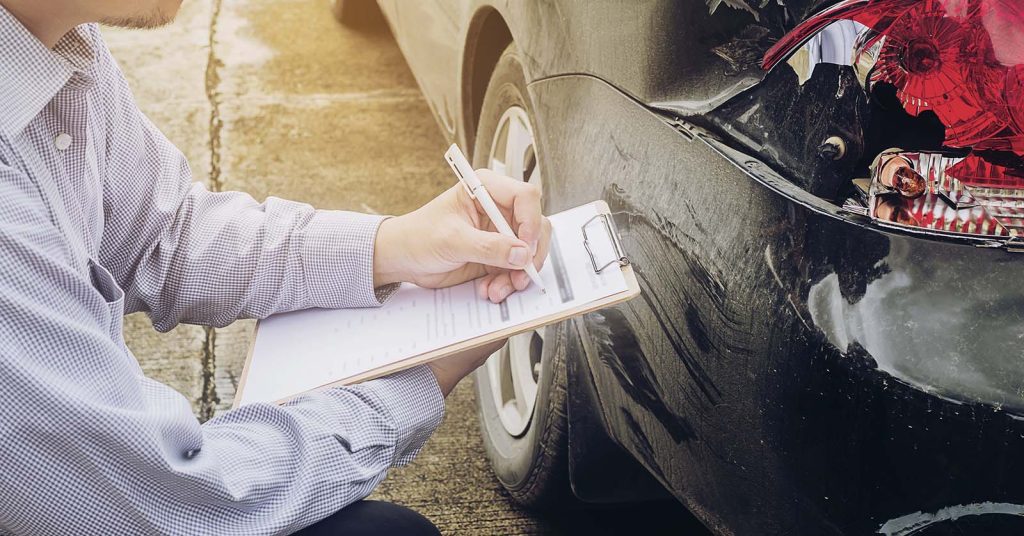
A breakdown creates a different problem from a crash. You may not have an insurance loss at all—you may simply need a tow truck, a jump-start, or help getting a disabled car off the road.
Roadside assistance is designed for that moment. The value is less about replacing an expensive vehicle and more about getting practical help without arranging and paying for every service from scratch.
What Roadside Assistance Commonly Covers
Coverage varies by provider, but insurer-based roadside or towing-and-labor benefits commonly include some combination of:
- Towing when the vehicle cannot be driven
- Battery jump-start service
- Labor to change a flat tire when you have a usable spare
- Lockout or locksmith assistance
- Fuel or fluid delivery in some plans
- Winching or extraction in qualifying situations
Texas describes towing and labor coverage as paying towing charges when the car cannot be driven and labor charges for services such as changing a flat tire at the breakdown location. Washington describes roadside assistance as optional coverage that can pay towing and per-mile fees up to a specified amount.
The service list is only half the contract. A plan can cap towing by dollars or miles, limit the number of service calls, restrict where a vehicle can be towed, or require you to use a provider in its network.
Roadside Assistance Does Not Pay for the Repair Itself
A tow can deliver a car to the shop; it does not usually pay to replace the failed alternator, transmission, battery, tire, or other broken part.
Roadside service and collision or comprehensive insurance solve different problems. A mechanical breakdown is generally outside ordinary collision and comprehensive coverage unless the breakdown caused a separate covered loss or another product applies. A warranty, service contract, mechanical-breakdown product, or manufacturer program may be the relevant protection for the repair bill.
Fuel delivery provides another example. A plan may pay to bring fuel to the vehicle while requiring you to pay for the fuel itself. The exact treatment comes from the service agreement.
Compare the Benefit You Already Have Before Buying Another
Roadside help can come from an auto insurer, motor club, vehicle manufacturer, credit card, bank package, or connected-car subscription. That makes duplication common.
| Source | What to check |
|---|---|
| Auto insurer | Premium, towing limit, covered vehicles, service-call rules, and how reimbursement works |
| Motor club | Whether benefits follow the member or vehicle, tow distance, household options, and other membership services |
| Vehicle manufacturer | Eligibility period, mileage or warranty limits, and what happens when the vehicle ages out |
| Credit card or other account benefit | Whether service is actually included or the program only dispatches help that you still pay for |
A second plan can still be useful when it materially improves towing distance, eligible drivers, service availability, or another limit. The reason to compare first is simple: two overlapping memberships do not automatically provide twice the protection.
The Limits Matter More Than the Word “Roadside”
Look for the conditions that determine what happens when you call:
- Maximum towing distance or dollar amount
- Number of covered service events
- Whether labor is covered but replacement parts are not
- Locksmith or lockout limits
- Rules for winching or vehicles stuck off a maintained road
- Whether trailers, motorcycles, rental cars, or household vehicles qualify
- Whether the benefit follows a person, a listed vehicle, or both
- Any waiting period after enrollment
- How reimbursement works if you arrange service yourself
The declarations page may show a roadside or towing limit, but the service agreement or endorsement provides the operational detail.
Is Roadside Assistance Worth Paying For?
It is easier to value roadside assistance by asking how hard a breakdown would be to solve without it.
The coverage can be useful when you drive an older car, commute long distances, travel in areas where arranging a tow is difficult, lack another roadside membership, or simply prefer one phone number and a defined service process.
You may get little value from another plan if a manufacturer benefit already covers the car well, you have a motor-club membership you intend to keep, or you are comfortable arranging and paying for occasional service yourself.
Compare the annual cost with the limits rather than with an imagined worst-case repair. Roadside assistance is not insurance against every mechanical failure; it is a way to manage the service and towing problem created by the failure.
What to Do When the Car Breaks Down
Safety comes before coverage. Move the vehicle out of traffic when that can be done safely, turn on hazard lights, and use a safer location away from moving vehicles when available.
Then identify the provider before paying another company. If the plan requires dispatch through its own number or app, arranging an independent tow first can complicate reimbursement.
Keep the service receipt, towing invoice, location, and any authorization number. If the breakdown follows a collision or another covered loss, those records can also matter to the broader insurance claim.
Frequently Asked Questions (FAQs)
Does car insurance automatically include roadside assistance?
Usually not. Roadside or towing-and-labor coverage is commonly optional. Check your declarations page and policy rather than assuming it is part of “full coverage.”
Does roadside assistance pay for a new battery or tire?
Often it pays for the roadside labor or dispatch service rather than the replacement part itself. The plan may jump-start a battery or install your spare tire without paying for a new battery or tire. Read the service terms.
Will roadside assistance tow my car any distance I want?
Not necessarily. Plans can limit towing by miles, dollars, destination, or other conditions. Compare the towing limit before choosing a plan if you often drive far from home.
Is roadside assistance the same as rental reimbursement?
No. Roadside assistance helps when the vehicle is disabled and needs emergency service. Rental reimbursement helps pay for temporary transportation after a qualifying covered loss keeps your insured vehicle out of use.
Sources
- Washington State Office of the Insurance Commissioner — Learn How Auto Insurance Works
- Texas Department of Insurance — Auto Insurance Glossary
- Texas Department of Insurance — Auto Insurance Guide
- California Department of Insurance — Automobile Insurance Guide
- National Association of Insurance Commissioners — A Shopping Tool for Automobile Insurance