A repair can make a car roadworthy again without making its history disappear. Two otherwise similar vehicles may sell for different amounts when one has a significant accident on its record.
That difference is the idea behind diminished value. The difficult part is proving that the loss exists and determining who, if anyone, is legally responsible for paying it.
Diminished Value Is Separate From the Repair Cost
Repair cost asks what it takes to restore damaged parts. Diminished value asks whether the vehicle is still worth less in the market after those repairs are complete.
Washington’s insurance regulator defines diminished value as the difference between the market value of an undamaged vehicle before an accident and its market value after repair. The regulator also makes clear that the insurer does not automatically pay it; the owner has to support the claimed loss in value.
A vehicle can have little or no measurable diminished value after a minor repair, while a newer, higher-value vehicle with major structural damage may present a stronger market-value question. There is no reliable universal percentage that applies to every accident.
First-Party and Third-Party Claims Can Lead to Different Answers
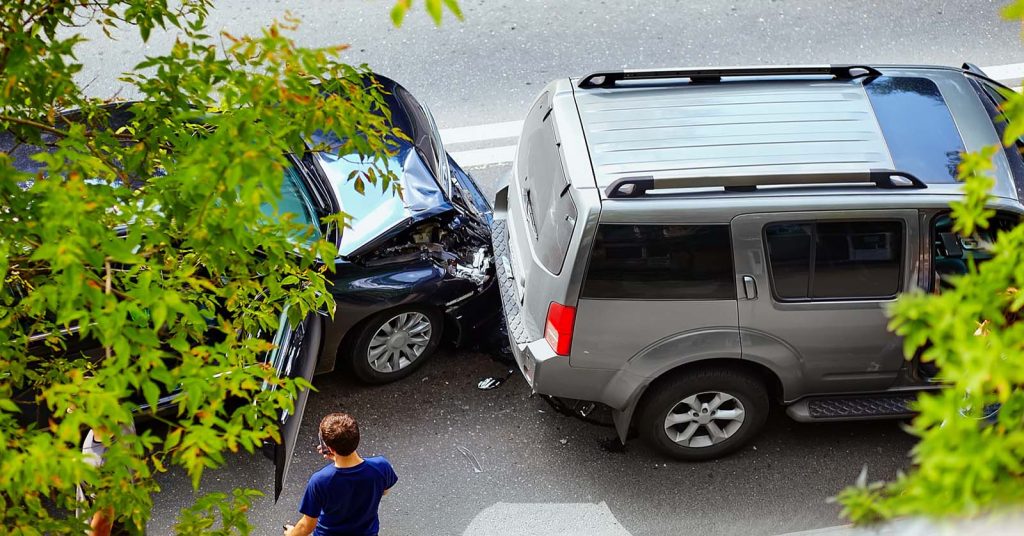
A first-party claim is made under your own policy. A third-party property-damage claim is made against another driver’s liability insurer when that driver is legally responsible for the accident.
Those paths are not interchangeable. Washington advises that diminished value is typically claimed against the at-fault party’s insurer rather than your own and notes that some personal auto policies do not cover diminished value. Current Nevada policy-form resources likewise show why the contract matters: the state’s published form library includes an approved auto endorsement that expressly excludes diminished value from damage-to-your-car coverage.
You Need Evidence That the Repaired Car Is Actually Worth Less
An accident history alone does not prove a specific dollar loss.
Useful evidence can include:
- The pre-accident condition, mileage, options, and service history
- Repair estimates and final invoices
- Photos of the damage before repair
- Documentation of structural or major component damage
- Vehicle-history records showing the reported accident
- Comparable listings or market data for similar vehicles with and without accident history
- Written trade-in offers from dealers
- A professional diminished-value appraisal when the potential claim justifies the cost
The strongest evidence connects the accident to an actual market difference. A generic online formula can be a starting point, but an insurer may challenge it if the formula does not reflect the specific vehicle, local market, repair quality, or accident severity.
The Vehicle Itself Changes the Strength of the Claim
Diminished value is a market question, so the same accident does not produce the same loss on every car. Age, mileage, prior damage, trim, pre-loss condition, accident severity, repair quality, local demand, and the type of damage disclosed in a vehicle-history report can all change the evidence.
A nearly new vehicle with low mileage and a clean pre-accident history may have more room to lose market value than an older vehicle that already had prior damage or substantial depreciation. That does not create an automatic entitlement to a larger payment; it changes what a buyer might reasonably pay after the accident.
A Repair Estimate Is Not a Diminished Value Appraisal
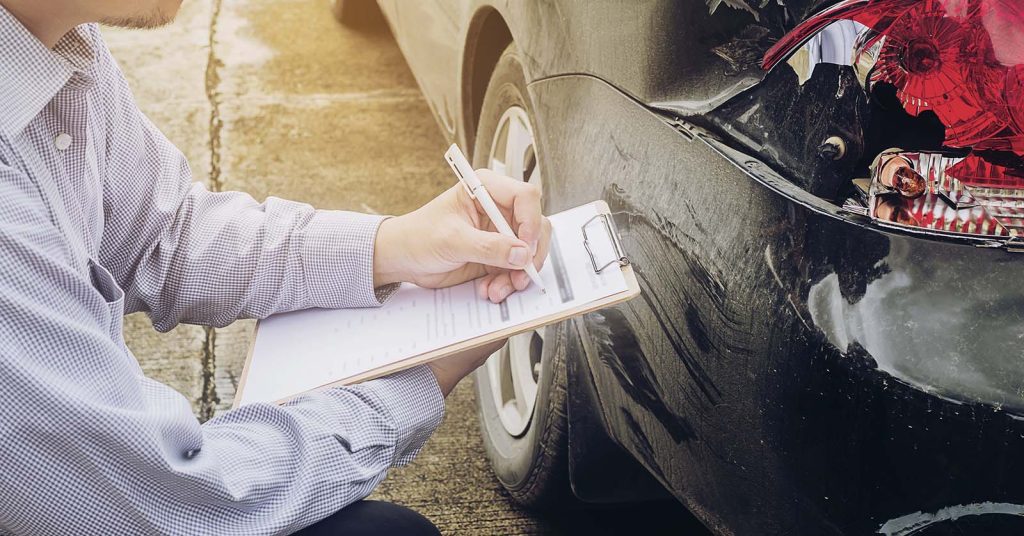
A body-shop estimate explains the work required to repair physical damage. It does not by itself establish the vehicle’s market value before and after repair. Keep the estimate because it documents the severity and type of damage, but pair it with market evidence when the dispute is about resale value.
How to Build a Diminished Value Claim
- Finish or document the repairs. The post-repair condition is part of the valuation question.
- Identify the responsible insurer. Determine whether you are pursuing your own policy or the at-fault driver’s property-damage liability coverage.
- Ask whether diminished value is recognized for this claim. Request the insurer’s position and any required documentation.
- Establish the vehicle’s pre-loss market position. Record mileage, trim, condition, options, and comparable vehicles.
- Document the post-repair market impact. Collect appraisals, dealer offers, comparable data, and accident-history evidence.
- Submit a specific amount with support. Explain how you reached the number rather than sending a round figure with no valuation basis.
- Keep the file. Save repair records, valuation reports, emails, and the insurer’s written response.
If the vehicle was declared a total loss, diminished value is normally not the same issue. A total-loss claim focuses on the vehicle’s pre-loss value and settlement rather than the resale discount on a repaired car. See what happens when a car is totaled for that process.
State Rules Can Change the Result
Diminished value is particularly sensitive to state law. A statement that is accurate for a third-party claim in one state can be wrong for a first-party claim somewhere else.
Washington’s consumer guidance says owners typically pursue diminished value against the at-fault party’s insurer and must prove the reduction in market value. Nevada’s current policy-form library includes a diminished-value exclusion used with a personal auto form, reinforcing the need to read the first-party contract rather than assume the coverage exists.
Before paying for an expensive appraisal, check your state insurance department’s current materials and ask the adjuster whether the insurer disputes coverage, the existence of diminished value, or only the amount. Those are different disagreements and require different evidence.
Do Not Close the Property-Damage Claim Before You Understand the Release
A property-damage settlement can come with a release or other agreement defining what the payment resolves. Before signing, check whether accepting the settlement would close only the repair-cost dispute or all property-damage claims arising from the accident.
If diminished value is still unresolved, ask the adjuster in writing whether it remains open. Release language and claim-settlement rules can be state-specific, so a large disputed claim may justify legal review before you sign away additional rights.
Liability Limits Can Matter in a Third-Party Claim
Where state law allows recovery, a diminished value claim against another driver is still subject to the available property-damage liability coverage. If the same accident caused extensive damage to several vehicles or other property, the at-fault driver’s property-damage limit may have to cover more than one loss.
That is different from proving the amount of diminished value. You can have strong valuation evidence and still face a separate problem if the available liability limit is insufficient for all covered property-damage claims.
If the Insurer Disagrees With Your Number
Find out what the disagreement actually is.
If the insurer says the car has no diminished value, ask what market evidence supports that conclusion. If it accepts diminished value but offers less than your demand, compare the assumptions: pre-loss value, post-repair value, mileage, accident severity, local comparables, and repair quality.
A state insurance department can help with complaints about claim handling or compliance, but it may not have authority to set the market value of your specific car. Appraisal or court remedies also depend on the policy and state law. If the amount is substantial or liability is contested, legal advice may be worth considering.
Not Every Diminished Value Claim Is Economical to Pursue
The potential recovery has to justify the time and evidence cost.
A modest claim on an older high-mileage vehicle may not justify paying hundreds of dollars for a specialist appraisal. A newer vehicle with a serious documented accident and a large gap between clean-history and accident-history market values may justify more work.
Start with low-cost evidence: repair documentation, market listings, dealer trade-in offers, and the insurer’s own valuation position. Spend more on expert evidence only when the disputed amount makes that decision reasonable.
Frequently Asked Questions (FAQs)
Can I claim diminished value after my car is repaired?
Potentially. The point of a diminished value claim is that a measurable loss in market value remains after repair. You generally need evidence of that remaining loss and a legal or contractual basis to recover it.
Can I make a diminished value claim against my own insurance?
Sometimes, but many policies limit or exclude first-party diminished value. The answer depends on your policy and state law. Third-party claims against an at-fault driver’s liability insurer can be treated differently.
How is diminished value calculated?
There is no single national formula that reliably determines every claim. A defensible valuation considers the specific vehicle, pre-loss condition, mileage, accident severity, repair history, local market, and evidence of its post-repair value.
Do I need a professional appraisal?
Not for every claim. Dealer offers, comparable listings, repair records, and market data may be enough to begin. A professional appraisal can be more useful when the disputed amount is large or the insurer challenges your evidence.
Does a minor accident always reduce a car’s value?
No. Some repaired vehicles may show little measurable market loss, especially when damage was minor. A claim should be based on evidence that this vehicle’s market value actually fell, not on an assumption that every accident creates the same percentage loss.
Sources
- Washington State Office of the Insurance Commissioner — Filing an Auto Insurance Claim
- Nevada Division of Insurance — Auto Insurance Policy Forms
- Nevada Division of Insurance — Endorsement Excluding Coverage for Diminished Value
- Washington State Office of the Insurance Commissioner — Auto Insurance Claims
- National Association of Insurance Commissioners — Auto Insurance Database: Property Damage Liability