“Please provide proof of hazard insurance” is the kind of mortgage request that can make a homeowner wonder whether an entire policy is missing.
Usually, it is not. Confusion arises because mortgage servicing and insurance use overlapping language for different purposes. Home insurers describe individual sections of a homeowners contract; lenders are mainly concerned with protecting the property that secures the mortgage.
Once those perspectives are separated, the terminology becomes much easier to decode.
Key Takeaways
- Hazard insurance is often lender terminology: In mortgage servicing, the term usually refers to property coverage that protects the home securing the loan.
- A homeowners policy does more: It normally combines protection for the dwelling with personal property, loss of use, personal liability and other sections.
- You usually do not buy duplicate insurance: A homeowners policy that meets the mortgage contract’s property-insurance requirements will generally satisfy the ordinary hazard-insurance request.
- The wording is not completely standardized: Federal mortgage-servicing rules recognize situations in which a loan requires both homeowners insurance and separate insurance for a hazard the homeowners policy does not address.
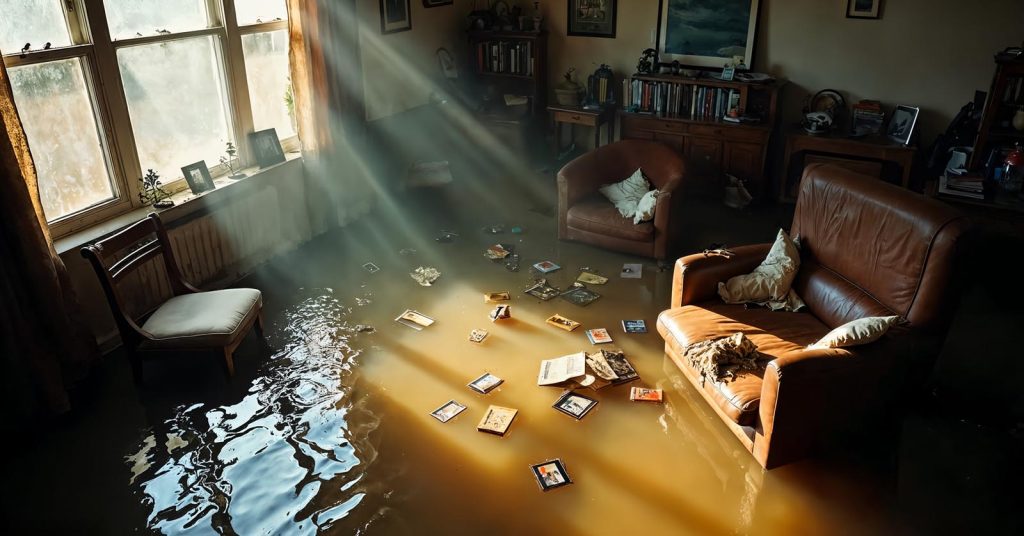
- Flood is the clearest example: Most homeowners policies exclude flood, and qualifying properties with federally backed mortgages in Special Flood Hazard Areas must carry flood insurance.
- Lenders can impose property-insurance requirements: They protect their financial interest in the home and can require evidence that the required insurance remains in force.
- A lapse can become expensive: A servicer may purchase force-placed insurance after required notices when acceptable coverage is missing. Force-placed insurance can cost more and protect the homeowner less than a policy purchased directly.
What Does “Hazard Insurance” Mean?
There is no need to imagine a universal consumer policy with “Hazard Insurance” printed across the front.
Mortgage servicers usually use hazard insurance to refer to the property coverage that protects the home securing the loan. Standard homeowners policies normally provide that protection through dwelling coverage, which is why a lender may use “hazard insurance” even though the homeowners policy includes much more than structural coverage.
That is why a mortgage portal may ask for “hazard insurance” even though the document you receive from the insurer says “homeowners policy.”
Physical damage to the collateral is the lender’s core concern. If a house securing a $300,000 mortgage burns down, the lender does not want its collateral to disappear without insurance money available for repair or rebuilding.
In ordinary homeowners insurance terminology, that structural protection is largely associated with dwelling coverage. Loan requirements can also specify required perils, deductibles, replacement-cost treatment and other property-insurance conditions.
How Homeowners Insurance Is Broader
Homeowners policies package several forms of protection into one contract. Policy form and endorsements determine the structure, but standard homeowners coverage can include:
- Dwelling: The house and attached structures
- Other structures: Certain detached structures on the property
- Personal property: Furniture, clothing, electronics and other belongings
- Loss of use: Additional living expenses and related benefits after qualifying displacement
- Personal liability: Financial protection against certain claims alleging injury or property damage to others
- Medical payments to others: Limited medical-expense protection in qualifying situations
A lender’s interest is narrower. Its primary concern is whether the building securing the mortgage remains properly insured.
| Question | Hazard insurance in mortgage use | Homeowners insurance |
|---|---|---|
| Is it necessarily a separate full policy? | No | Yes, it is the broader insurance contract |
| Main lender concern | Physical property securing the mortgage | Protects several homeowner risks |
| Dwelling damage | Central purpose | Yes |
| Personal belongings | Not the main meaning of the lender term | Normally included subject to policy terms |
| Personal liability | Not the main meaning of the lender term | Normally included |
| Temporary living expenses | Not what the lender is usually requesting by the term | Can be included under loss of use |
If the terminology elsewhere in the policy feels unfamiliar, the larger Coverages A–F structure shows how these pieces fit together.
Why Mortgage Lenders Require Property Insurance
Because the home secures the loan, the lender has a financial interest in the property, so lenders generally require proof that the home is insured against covered physical losses.
Exact contract requirements are not identical for every mortgage.
For mortgages subject to Fannie Mae’s current one- to four-unit property standards, required property insurance must cover specified perils including fire, lightning, explosion, windstorm, hail and smoke. If a required peril is excluded or restricted, separate acceptable coverage may be needed.
Those standards do not apply to every mortgage. They show why a lender’s insurance request can be more specific than simply having a homeowners policy: the investor, loan type and property can determine which perils, limits and documentation the servicer expects.
When You May Need a Separate Policy
Mortgage shorthand becomes less useful when the homeowners contract excludes a peril the lender requires to be insured.
Loan contracts can require a homeowners policy plus separate coverage for a hazard excluded from that policy. Federal force-placed insurance rules explicitly account for that possibility.
Two situations are especially important.
Flood
Most homeowners policies exclude flood. Mortgage-required flood coverage is separate from the homeowners policy; an NFIP or qualifying private flood policy may be needed.
Properties in Special Flood Hazard Areas can trigger a federal flood-insurance requirement when the mortgage falls within the applicable federally regulated, supervised, insured or government-backed framework. Lenders can also impose flood requirements in additional situations under their own lending terms.
So a borrower can legitimately need:
- A homeowners policy for ordinary property and household risks, and
- A separate flood policy for the excluded flood exposure
This distinction is central to flood insurance versus homeowners insurance, where the two contracts solve different problems rather than duplicate each other.
Wind or Other Regional Perils
Property insurance markets differ. In some high-risk areas, a homeowners policy may exclude or restrict windstorm, named-storm or another peril that a lender expects to see insured.
Mortgages subject to Fannie Mae’s current standards must carry property insurance that covers windstorm, including named storms. An exclusion or restriction for a required wind peril can make separate acceptable wind coverage necessary.
Coastal homeowners do not automatically need a separate wind policy. More importantly, the lender’s phrase “hazard insurance” can sometimes point to a real missing peril rather than simply another name for the homeowners policy.
Hazard Insurance Is Not Mortgage Insurance
These terms sound connected because they all appear around a home loan, but they protect different parties against different risks.
Property or hazard insurance responds to physical damage covered by the insurance contract. Fire, wind and other insured perils can damage the building itself.
Mortgage insurance primarily protects the lender against the borrower’s failure to repay the mortgage. It does not repair your roof, replace a burned house or insure your belongings.
Do not confuse homeowners insurance with mortgage insurance. Homeowners insurance protects the property and other covered homeowner risks; mortgage insurance primarily protects the lender against borrower default.
What Proof of Hazard Insurance Does a Lender Need?
Your servicer usually needs evidence that the required property insurance exists and meets the mortgage contract.
Depending on the transaction, acceptable evidence can include an insurance declarations page, certificate or other policy documentation. Servicers can require written confirmation of continuous property coverage, such as a declarations page or insurance certificate.
Insurance documentation may show:
- Property address
- Named insured
- Insurance company
- Policy number
- Policy effective and expiration dates
- Relevant property limits
- Deductibles
- Mortgagee or lender information
If the lender says your insurance is insufficient, ask exactly which requirement fails before changing the policy. The issue may be a missing document, wrong mortgagee clause, excluded peril, deductible problem or genuine shortfall in required property insurance.
What Happens If Hazard Insurance Lapses?
Coverage lapses deserve quick attention because the lender still expects the collateral to remain insured.
Federal mortgage-servicing rules generally require an initial force-placed insurance notice at least 45 days before a servicer can assess the charge.
Force-placed insurance is a poor substitute for maintaining your own policy. It is usually more expensive than coverage you buy yourself and may provide less protection. In many cases, it primarily protects the lender’s interest rather than giving the homeowner the broader protections of a standard homeowners contract.
If you receive a force-placed insurance notice:
- Check whether your own policy actually lapsed.
- Contact the insurer immediately if reinstatement is possible.
- Send the servicer the proof it requested.
- Confirm the property address, dates and mortgagee information.
- Ask the servicer to cancel force-placed insurance once qualifying proof is verified.
- Dispute a servicing error through the appropriate process if your insurance was continuously in force.
Do not ignore the letter simply because you believe the mortgage payment includes insurance through escrow. An escrow account is a payment mechanism; it does not remove the need for an active policy.
Do You Need Hazard Insurance If You Own the Home Outright?
Without a mortgage, there is no mortgage lender requiring you to protect its collateral. That removes the lender requirement, not the underlying financial risk.
Severe fire, windstorm or another catastrophe can still destroy a home regardless of whether money is owed on it.
For most homeowners, the meaningful decision is therefore not “Do I need hazard insurance?” but whether the property, belongings, liability exposure and major regional risks are insured appropriately.
Someone shopping without a lender should compare the complete homeowners contract rather than strip the decision down to the building alone. The process in buying homeowners insurance is designed around that broader comparison.
How to Respond When a Lender Asks for Hazard Insurance
Use a short checklist to prevent duplicate buying:
- Read the request literally. Is the lender asking for proof, more insurance or a specific excluded peril?
- Pull your homeowners declarations page. Confirm the property address, dates and dwelling insurance.
- Check the mortgagee information. An incorrect lender or servicer entry can create a documentation problem even when the policy itself is active.
- Ask whether a separate peril is involved. Flood or windstorm may require a different policy in some situations.
- Compare the requirement with the policy. Look at limits, deductibles, valuation terms and exclusions that matter to the loan.
- Send proof promptly. Keep confirmation that the servicer received it.
- Investigate any force-placed notice immediately. Do not let an administrative mismatch become an expensive lender-purchased policy.
Most of the time, “hazard insurance” on mortgage paperwork is not a signal to buy another duplicate homeowners policy. It is the lender’s way of asking whether the property behind the loan is adequately insured.
The exception is just as important: when the ordinary policy leaves out a hazard the mortgage requires, a separate contract can be necessary. Read the requirement, identify the missing risk and solve that specific gap.
Frequently Asked Questions (FAQs)
Is hazard insurance the same as homeowners insurance?
In mortgage paperwork, “hazard insurance” is often used as shorthand for the property-protection portion of homeowners insurance. Homeowners coverage is broader: it can also include personal property, liability, loss of use and other protections.
Do I need both hazard insurance and homeowners insurance?
Usually not as duplicate full policies. Ordinary lender requirements are often satisfied by a homeowners policy. You may need separate insurance when the main policy excludes or restricts a peril the mortgage requires, such as flood or certain wind risks.
Why is my mortgage company asking for hazard insurance?
Because the home is collateral for the mortgage, the lender wants evidence that the property remains insured against the physical risks required by the loan terms.
Is hazard insurance included in my mortgage payment?
Your premium may be paid through a mortgage escrow account, but the insurance remains a separate policy. Part of your monthly payment can be held in escrow and later used by the servicer to pay the insurer.
Does hazard insurance cover floods?
Do not assume so. Most homeowners policies exclude flood. Separate flood coverage is required in certain high-risk areas for qualifying mortgages and may also be required by a lender in other circumstances.
Does hazard insurance cover earthquakes?
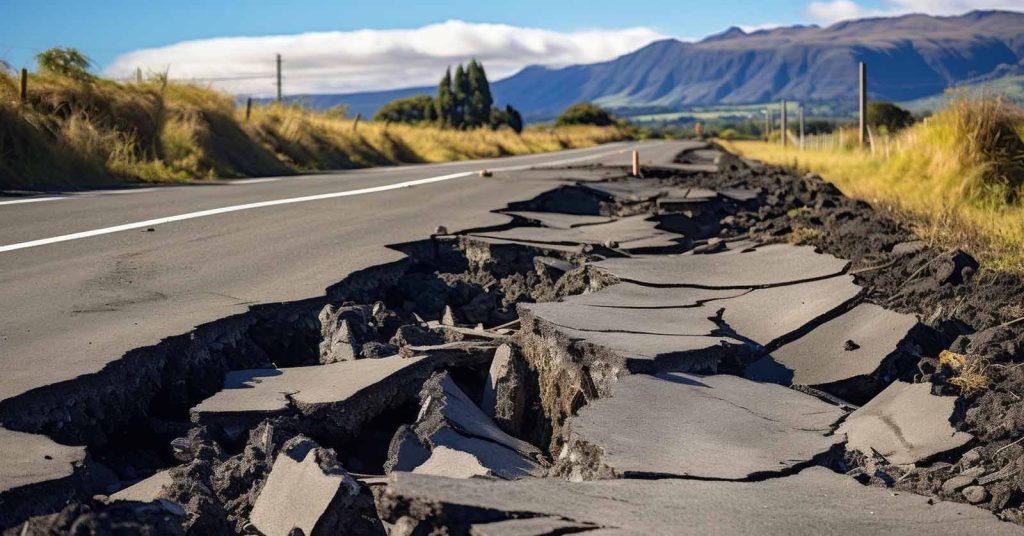
Standard homeowners insurance generally excludes earthquake damage. Whether a lender requires separate earthquake protection depends on the loan and property requirements; homeowners may also choose separate earthquake insurance based on their own risk.
What is force-placed hazard insurance?
It is insurance a mortgage servicer obtains when it does not have acceptable evidence that required property coverage is in place. Force-placed insurance can cost more than insurance you buy yourself and may provide less protection to you.
Can I choose my own homeowners insurance company?
Generally, yes, as long as the insurer and policy satisfy the mortgage requirements. For mortgages subject to Fannie Mae’s standards, borrowers may choose the insurer when the policy meets the applicable property-insurance requirements.
Sources
- Consumer Financial Protection Bureau: What Is Homeowner’s Insurance? Why Is Homeowner’s Insurance Required?
- Consumer Financial Protection Bureau: Regulation X § 1024.37—Force-Placed Insurance
- Consumer Financial Protection Bureau: Official Interpretation of § 1024.37
- Consumer Financial Protection Bureau: Mortgage Servicer Federal Rules
- Consumer Financial Protection Bureau: Force-Placed Homeowner’s Insurance
- Fannie Mae: General Property Insurance Requirements for All Property Types
- Fannie Mae: Property Insurance Requirements for One- to Four-Unit Properties, August 2026
- National Flood Insurance Program: Flood Insurance Eligibility and Mortgage Requirements