Restaurant spending is easy to underestimate because it rarely arrives as one large monthly bill.
Coffee on the way to work, lunch near the office, one delivery order after a long day, drinks with friends, and a weekend dinner can each feel reasonable on their own. Together, they can become one of the largest flexible categories in the household budget.
Saving money here does not require “never eat out.”
Better goals keep the meals you actually enjoy and remove spending that happens mainly because the household had no easier plan.
Key Takeaways
- Track food away from home separately: CFPB’s spending categories treat eating out as its own expense, which makes it easier to see how much the category is really costing.
- Do not aim for zero unless you want to: A realistic dining allowance is usually easier to sustain than repeatedly banning restaurants and then rebounding.
- Compare the final delivery total: Menu price is only part of what you may pay once delivery charges, service charges, taxes, tips, or other checkout costs are added.
- Convenience is often the real product: If delivery solves a busy-night problem, build cheaper convenience into the home food plan instead of relying on willpower at 7 p.m.
- Plan the restaurant meals you value: Spending $80 on a dinner you chose can be more satisfying than four $20 takeout orders you barely remember.
- Use pickup strategically: When the restaurant is already on your route and pickup avoids meaningful delivery costs, the same meal may cost less.
- Leftovers can reduce the cost per meal: USDA says properly refrigerated leftovers are generally safe for three to four days.
- Review the pattern monthly: One restaurant meal is not the issue; check whether the category still fits the rest of your priorities.
Find Out What “Eating Out” Actually Costs You
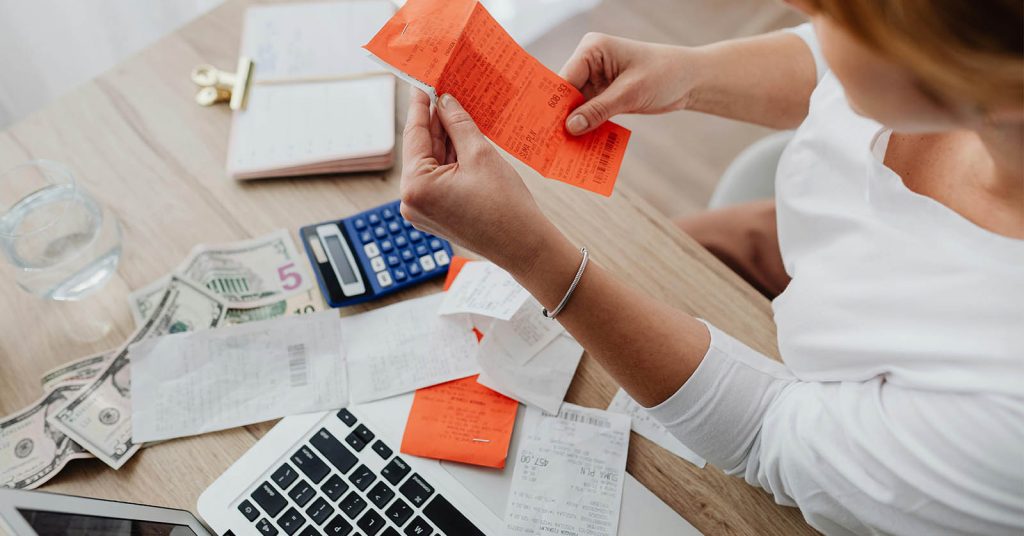
Real transactions provide a better baseline than memory.
Review at least several weeks of checking and credit-card activity and group together:
- restaurants;
- takeout;
- food-delivery apps;
- coffee shops;
- work lunches;
- fast food;
- bars or drinks with meals; and
- small food purchases made while running errands.
Track eating out separately from groceries long enough to see whether the category matches your priorities.
$110 on work lunches
$145 on delivery
$85 on coffee and snacks
$170 on planned restaurant meals
Actual total: $510.
What matters is not that $510 is automatically too much.
The more useful finding is that over half of the category came from lunches, delivery, coffee, and snacks rather than the restaurant meals you consciously valued.
Separate High-Value Dining From Convenience Spending
Not every restaurant dollar produces the same value.
Divide the category into two broad groups:
| Spending type | Examples | Question to ask |
|---|---|---|
| High-value dining | Date night, meal with friends, favorite restaurant, travel experience | Would I choose this again? |
| Convenience spending | Delivery because nothing is ready, work lunch because you forgot food, coffee because you left home rushed | Could I solve the same problem more cheaply? |
Many households can cut the second group substantially without touching the first.
Keeping the two dinners and cutting three of the six delivery orders may reduce spending while preserving most of the enjoyment.
Set a Dining Amount Instead of Hoping You Will Eat Out Less
“We should order less this month” is difficult to measure.
Turn it into an amount. Your limit can be a monthly dollar figure, a weekly amount, a fixed number of restaurant meals, separate amounts for delivery and planned dining, or a combination that fits your routine.
$180 for two planned restaurant meals
$80 for coffee or casual food
$100 for takeout or delivery
New target: $360 per month.
Reducing the category from $500 to $360 creates $140 per month of potential savings without requiring the household to stop eating out.
To place dining alongside other household categories, the Monthly Budget Calculator can show how discretionary spending fits inside the broader monthly plan.
Compare the Final Delivery Checkout, Not the Menu Price
Delivery orders can include more than the listed food price.
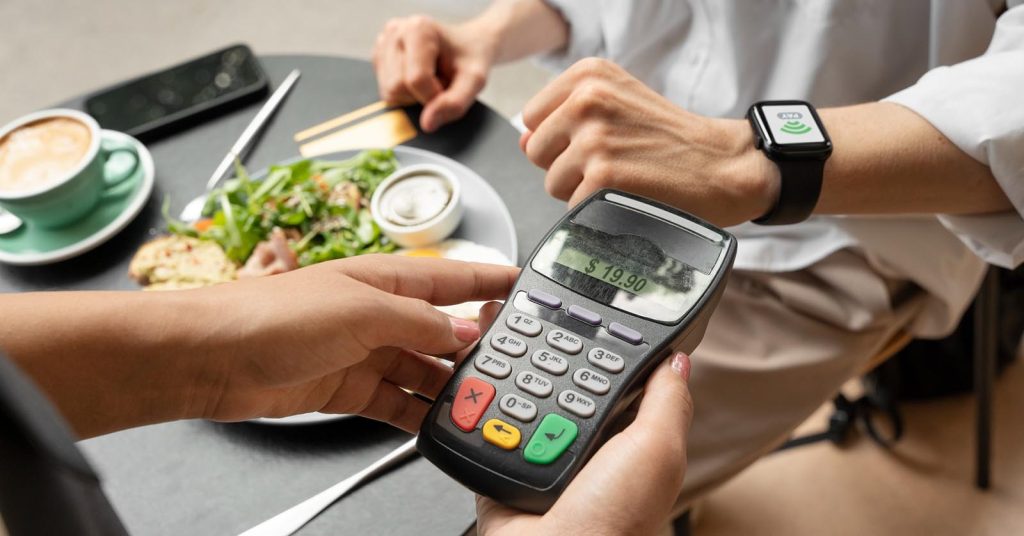
Depending on the restaurant, platform, location, and order, the final checkout can include food and beverage prices, delivery charges, service charges, small-order or other platform fees, sales tax, a tip, and optional add-ons suggested during checkout.
Exact charges vary, so compare the final total immediately before payment.
The question is not whether delivery is “bad.” It is whether the convenience is worth the additional $13 to you that night.
Compare delivery, restaurant pickup, and a fast meal already available at home when practical.
Use Pickup When It Saves Money Without Creating More Hassle
Pickup can remove some delivery-related costs while preserving most of the convenience of restaurant food.
It works best when the restaurant is already near home or work, pickup does not require paid parking, the detour is short, and the savings are meaningful relative to the extra trip.
If the restaurant is 12 miles in the opposite direction and pickup saves $5, the trade-off is less obvious.
Do not drive far out of the way to save a small delivery charge. Fuel, time, parking, and inconvenience are part of the decision too.
Build a Backup-Meal System for the Nights You Usually Order
Plans fail when they assume you will cook a full meal every night.
Realistic meal plans match the time you actually have, including quick meals for busy days.
Keep a few meals that require very little effort, such as frozen meals you actually like, pasta plus jarred sauce, eggs and toast, sandwiches, soup, frozen dumplings, pre-cooked protein with an easy side, or ingredients for one reliable 10-minute dinner.
Cheap theoretical dinners are not useful when you will not cook them while tired.
Build the backup meal around the behavior you are replacing, not around the lowest possible grocery cost.
Better grocery planning can reinforce the same system through meal planning, unit pricing, pantry use, and realistic shopping.
Make Planned Restaurant Meals Feel Different From Routine Orders
If eating out is something you value, spend the category on experiences worth remembering.
That can mean planning the restaurant in advance, choosing a place you genuinely want to try, meeting friends instead of ordering alone at home, using the meal for a date or celebration, or skipping low-value delivery so more money remains for a better meal later.
Replacing the four takeout orders with the planned dinner saves $38 and increases the value you receive from the category.
An intentional-spending principle applies here: keep the wants you value most and stop low-priority purchases from outranking them.
Leftovers Belong in the Cost Calculation
Restaurant meals that become two meals can have very different costs per serving from meals eaten once and forgotten.
When portion size and food type make leftovers practical, refrigerate the extra food promptly and plan when you will eat it.
Takeout and other perishable leftovers should generally be refrigerated within two hours—or within one hour when the surrounding temperature is above 90°F—and properly refrigerated leftovers are generally safe for three to four days.
If you would otherwise have bought a $14 lunch, the value of the original order is different from a $24 meal that produces no useful leftovers.
Do not order extra food solely to create “savings” unless you know the household will actually eat it.
Watch Drinks, Add-Ons, and Other Small Multipliers
Main entrées are not always what pushes restaurant totals higher.
Review whether you regularly add alcoholic drinks, sodas or specialty drinks, appetizers, desserts, premium sides, extra delivery items to reach a minimum, or checkout add-ons you had not planned to buy.
You do not need to remove all of them. Pick the add-ons you value most and let the others go.
Do Not Let Rewards Programs Create Extra Orders
Restaurant and delivery rewards can lower the cost of purchases you were going to make anyway. They can also create a reason to buy when you otherwise would not.
Be careful with points that require another order to unlock value, expiring rewards, free-delivery offers tied to minimum orders, subscription plans that encourage more frequent use, coupons that increase order size, and promotions that make you add items to reach a threshold.
If a subscription or recurring delivery membership no longer saves more than it costs, include it in your regular monthly bill review.
Create a Weekly System That Reduces Last-Minute Orders
You do not need a detailed meal plan for every breakfast, lunch, and dinner.
One lighter system can be enough:
- Choose the restaurant occasions first. Put the meals you actually want on the calendar.
- Identify the busiest nights. Those are the nights most likely to become delivery orders.
- Assign easy meals to those nights.
- Plan one or two leftovers intentionally.
- Keep backup food available.
- Decide the weekly dining amount.
- Check the total before each delivery order.
Checking the food already at home, writing down meals for the week, matching meals to available time, and planning to use leftovers can reduce both grocery waste and the number of nights when delivery becomes the default.
| Day | Plan |
|---|---|
| Monday | Cooked meal |
| Tuesday | Leftovers |
| Wednesday | Fast backup meal |
| Thursday | Cooked meal |
| Friday | Planned restaurant dinner |
| Saturday | Flexible |
| Sunday | Home meal + prep one easy option for Monday |
Treat the schedule as an example rather than a template everyone should copy. A planned restaurant meal and a flexible night can coexist with a lower overall dining cost.
Review the Category Without Turning Every Meal Into a Financial Test
Monthly reviews can compare restaurant spending, delivery, coffee and snacks, work lunches, number of orders, average delivery checkout, and whether the category stayed inside its target.
Then ask two questions:
- Which spending would I happily repeat?
- What spending happened because I had no easier alternative?
Cut the second group first.
That is a $130 monthly reduction without turning restaurants into a forbidden category.
Redirect the $130 if it remains unspent rather than letting it disappear somewhere else. After the reduction becomes sustainable, a repeatable savings system can automate the transfer.
Restaurant and delivery spending should reflect what you actually value rather than how often you were hungry, tired, and unprepared at the same time.
Frequently Asked Questions (FAQs)
How much should I spend on eating out each month?
There is no universal dollar amount or percentage. Account for normal bills, savings goals, debt obligations, groceries, and other priorities first, then choose a restaurant and takeout amount your cash flow can support. Review it after a few months rather than adopting a generic limit.
What is the easiest way to spend less on food delivery?
Reduce the situations that make delivery the default. Stock several fast meals at home, compare the final delivery checkout with pickup, and choose in advance which nights are worth paying for convenience.
Is pickup always cheaper than delivery?
Not necessarily. Pickup may avoid some delivery-related charges, but driving time, fuel, tolls, or parking can offset the difference. Compare the actual final cost and convenience for your route.
Should I stop eating at restaurants to save money?
You do not have to. If restaurant meals are something you value, keep a realistic amount for them and cut lower-value convenience spending first. Sustainable reductions are usually more useful than extreme rules you quickly abandon.
How can I stop ordering takeout when I am tired?
Maintain a small set of meals that are easier than ordering: freezer meals, eggs, sandwiches, soup, pasta, or another option you genuinely like. Backup meals do not need to be the cheapest possible food; they need to be easy enough to compete with takeout.
How long are restaurant leftovers safe?
Safely stored takeout and other leftovers are generally best used within three to four days. Refrigerate perishable food within two hours, or within one hour when temperatures are above 90°F.
Do restaurant rewards programs save money?
Rewards can help when they reduce the price of meals you already planned to buy. Expiring points, minimum-order promotions, or reward thresholds can instead increase spending by causing orders you would not otherwise make.
Sources
- Consumer Financial Protection Bureau — Spending Tracker
- Consumer Financial Protection Bureau — Spending Tracker Categories
- USDA MyPlate — Make a Plan
- USDA MyPlate — Healthy Eating on a Budget
- USDA Food Safety and Inspection Service — How Long Are Takeout Leftovers Safe?
- USDA Food Safety and Inspection Service — How Long Can You Keep Leftovers?