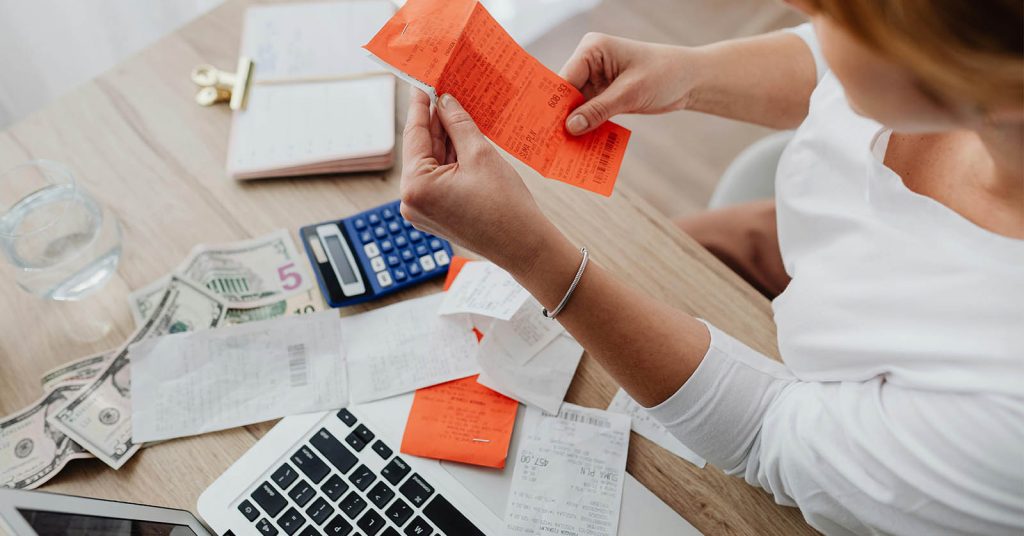
Cutting entertainment badly is easy.
When money feels tight, the first reaction can be to cancel everything enjoyable: no movies, no concerts, no hobbies, no nights out, no family activities.
That can lower spending quickly. It can also create a plan that feels temporary from the day it starts.
Better strategies keep entertainment in the budget while making the category compete for your money more intelligently.
Key Takeaways
- Leisure belongs in the spending plan: movies, concerts, sporting events, sports equipment and fees, books, subscriptions, and similar costs are real household expenses.
- Cut low-value fun before high-value fun: Keep the activities you would genuinely miss and reduce the ones you barely remember.
- Use a limit instead of a ban: A realistic entertainment amount is usually easier to sustain than an indefinite no-fun rule.
- Measure memberships by use: Annualizing the cost and dividing by actual visits can reveal whether a membership is saving money or simply creating another recurring bill.
- Save ahead for expensive events: Concerts, sporting events, festivals, and hobby purchases are easier to manage when they have a sinking fund.
- Free does not always mean zero cost: Parking, transportation, food, equipment, and reservations can still affect the total.
- Public recreation can expand your options: Many National Park Service sites are free, while passes can lower entrance costs for frequent visitors to fee-charging federal recreation sites.
- Keep some spontaneity: A small guilt-free fun amount can prevent every invitation or leisure purchase from becoming a budget debate.
Find Out What You Really Spend on Entertainment
Actual transactions provide the clearest baseline.
CFPB’s spending categories include a wide range of entertainment expenses, such as:
- movies;
- concerts;
- sporting events;
- sports equipment and participation fees;
- books and media;
- subscriptions;
- alcohol; and
- other leisure spending.
Your own category can also include:
- video games;
- hobby supplies;
- museum or attraction tickets;
- bowling or arcade visits;
- family activities;
- classes taken mainly for recreation;
- club memberships; and
- small entertainment purchases inside apps.
Streaming and memberships: $78
Movies and events: $95
Hobby purchases: $110
Games and app purchases: $42
Miscellaneous leisure: $55
Average monthly total: $380.
What matters is not that $380 is too high.
The better question is whether the $380 goes toward the entertainment you value most.
Rank Entertainment by Value, Not Just Price
Cheap activities can be poor value when you do not enjoy them. Expensive events can be excellent value when they create lasting memories and remain comfortably affordable.
Sort recent entertainment into three groups:
| Category | What it means |
|---|---|
| Would happily repeat | Worth protecting in the budget |
| Fine, but forgettable | First place to look for reductions |
| Regret or barely used | Strong candidate to eliminate |
If the concert was one of your favorite experiences of the year and the smaller purchases added little, cutting the concert because it was “expensive” would target the wrong spending.
Intentional frugal living works the same way: lower spending by removing low-value costs, not by treating every enjoyable expense as waste.
Give Fun a Real Budget Instead of Whatever Is Left
If entertainment is always funded from whatever remains in checking, the category can expand without a clear limit.
Choose a structure you can actually use:
- a monthly entertainment amount;
- a weekly fun allowance;
- separate amounts for subscriptions and activities;
- a family entertainment amount;
- a personal fun amount for each adult; or
- one monthly amount plus a separate fund for larger events.
That gives you $220 of current flexibility plus $720 over a year for bigger activities.
There is no universal percentage of income that entertainment should consume.
Your right amount depends on housing, food, debt, savings, family obligations, and how important leisure is to you.
Use the Monthly Budget Calculator to see how entertainment fits inside the broader wants portion of your cash flow.
Audit Memberships by Cost Per Use
Memberships can be excellent value when they replace repeated admission fees.
They can also become recurring charges that survive long after your interest disappears.
Annualize the cost:
If you use it 18 times, the cost is $10 per visit.
If you use it three times, the cost is $60 per visit.
Compare that result with:
- single-visit admission;
- the likelihood you would visit without the membership;
- guest benefits;
- parking or other included benefits;
- renewal price;
- cancellation terms; and
- whether the membership encourages extra spending while you are there.
Even a membership that lowers admission cost can increase total spending if you visit more often, buy food, pay parking, or make add-on purchases.
If entertainment subscriptions or memberships are accumulating, include them in the broader monthly bill audit.
Plan Expensive Events Before Tickets Go on the Card
Concerts, festivals, sporting events, theater, conventions, and hobby events can create several costs at once.
Ticket price may be only the first cost.
Also budget for:
- service or ticketing fees;
- parking;
- transportation;
- food and drinks;
- hotel costs if travel is involved;
- merchandise;
- childcare;
- equipment or clothing; and
- other purchases connected to the event.
The evening is really a $325 entertainment decision, not a $220 ticket decision.
If you still want it at $325, plan for $325.
For recurring large events, create a sinking fund. Saving $50 each month creates $600 over a year before interest, which can fund tickets without making the event compete with ordinary monthly bills.
A sinking fund can turn irregular but predictable costs like these into regular monthly contributions.
Use Free and Low-Cost Activities as Options, Not Punishment
Free entertainment works best when it is something you would choose even if you had more money.
Depending on where you live, options can include:
- public parks;
- walking or hiking trails;
- community festivals;
- library programs;
- free museum days or community access programs;
- public concerts;
- neighborhood events;
- local sports;
- beaches or public recreation areas;
- game nights;
- picnics;
- free classes or demonstrations; and
- volunteer events that are social as well as useful.
Check local details rather than assuming a program is free everywhere.
Most National Park Service sites are free to visit, while fee-charging sites may offer standard, park-specific annual, or America the Beautiful passes. In 2026, the America the Beautiful annual pass costs $80 for U.S. citizens and residents and $250 for non-U.S. residents, so eligibility matters when comparing pass value.
Recreation.gov also sells digital site passes and the interagency annual pass for participating federal recreation sites.
Use Libraries for More Than Books
Public libraries differ widely, so the exact benefits depend on your local system.
Beyond physical books, many libraries may offer some combination of:
- e-books and audiobooks;
- movies or digital media;
- children’s programs;
- classes and workshops;
- clubs and events;
- public computers or maker spaces;
- museum or attraction passes; and
- community information.
Do not assume your library offers every item on that list. Check its website or ask directly.
Before repeatedly paying for a book, movie, class, or activity, check whether a public resource already provides something similar that you would genuinely use.
Spend Less on Hobbies Without Making the Hobby Worse
Hobbies can become expensive because enthusiasm often encourages buying ahead of actual use.
Common examples include:
- craft supplies;
- photography equipment;
- gaming hardware;
- sports gear;
- musical instruments;
- collectibles;
- outdoor equipment;
- books;
- tools; and
- specialized accessories.
Use a few rules:
- buy for the activity you do now, not the version of yourself you imagine later;
- use or finish existing supplies before adding more;
- rent or borrow specialized equipment when practical;
- buy used when condition can be evaluated reliably;
- sell equipment you have clearly outgrown or abandoned;
- wait before upgrading working gear; and
- separate skill limitations from equipment limitations.
A small trial cost can reveal whether the upgrade actually changes the type of photography you do.
This is different from refusing to invest in a hobby. It is a way to make the purchases follow the hobby rather than lead it.
Make Family Entertainment Predictable
Family entertainment can become expensive because one outing often includes several separate purchases.
Even simple days out can involve admission, parking, snacks, meals, souvenirs, and spontaneous add-ons.
Before leaving, decide:
- the total outing budget;
- whether food will be bought or brought;
- whether souvenirs are included;
- which paid activity matters most;
- what free alternatives exist nearby; and
- whether a membership makes sense based on actual expected use.
The realistic decision is closer to $185 than $70.
Setting expectations before arrival can reduce the number of decisions made in an environment designed to sell additional experiences.
You can also alternate higher-cost outings with low-cost weekends rather than trying to make every weekend equally expensive.
Keep a Small Spontaneous-Fun Amount
Perfectly optimized entertainment budgets can become annoying.
If every invitation requires moving money between categories, you may stop following the plan altogether.
Keep a small amount that can be spent without additional analysis.
A last-minute movie, casual event, or small hobby purchase can come from that amount without disrupting the rest of the budget.
When it is gone, you can:
- wait until next month;
- choose a free alternative;
- use money from another entertainment activity you no longer want; or
- deliberately revise the budget if the event matters enough.
Allowing a controlled amount of spontaneous spending can also make an impulse-buying system more sustainable.
Review Entertainment by Memories and Money
Once every few months, look at both the cost and the outcome.
Ask:
- Which events or activities were worth every dollar?
- What subscriptions or memberships were barely used?
- Are any hobby purchases still sitting unopened?
- Which free or low-cost activities did we genuinely enjoy?
- Did any entertainment spending come mostly from boredom?
- Do any large future events need their own savings fund?
- Would we rather do fewer activities at higher quality?
You keep concerts, one streaming service, and the hobby you use every week.
That is a $100 monthly reduction without removing the parts of entertainment you care about.
If the $100 becomes a repeatable saving, give it a destination. Use the Savings Goal Calculator to see what that monthly amount can do for a future trip, purchase, or another goal.
Saving money on entertainment should not produce a life with fewer good experiences.
Cut the spending you would not choose a second time instead.
Frequently Asked Questions (FAQs)
How much should I spend on entertainment each month?
There is no universal percentage. Choose an amount after accounting for essential bills, debt obligations, savings, and other priorities. Entertainment can be higher or lower depending on income, family size, location, and how important leisure activities are to you.
What are some low-cost entertainment ideas?
Options can include parks, trails, library programs, community events, game nights, picnics, local sports, free concerts, public recreation, and free or discounted attraction days where available. Check local costs because parking, reservations, or other fees may still apply.
Are entertainment memberships worth it?
They can be when you use them often enough. Divide the annual membership cost by your realistic number of visits and compare the result with individual admission plus any included benefits such as parking or guest access.
How can I save money on concerts and sporting events?
Budget for the full event cost—including fees, transportation, parking, food, and related purchases—and save for larger events in advance. Choosing fewer events you care about more can be more satisfying than filling the calendar with lower-priority tickets.
Are national parks free?
Many National Park Service sites do not charge an entrance fee, while others require a pass. Participating sites may offer standard, park-specific annual, and interagency pass options, with 2026 America the Beautiful annual-pass pricing differing between U.S. residents and nonresidents. Other costs such as reservations, parking, transportation, or activities may still apply.
How do I spend less on hobbies?
Buy equipment based on your current level of use, finish or use existing supplies before adding more, rent or borrow specialized gear when practical, consider used items when condition can be evaluated, and wait before replacing equipment that still works.
Should I cut entertainment completely when money is tight?
You may need to reduce it substantially during a serious cash-flow problem, but a permanent zero-entertainment budget is not required for good money management. Small, controlled amounts of affordable leisure can make a spending plan easier to maintain.