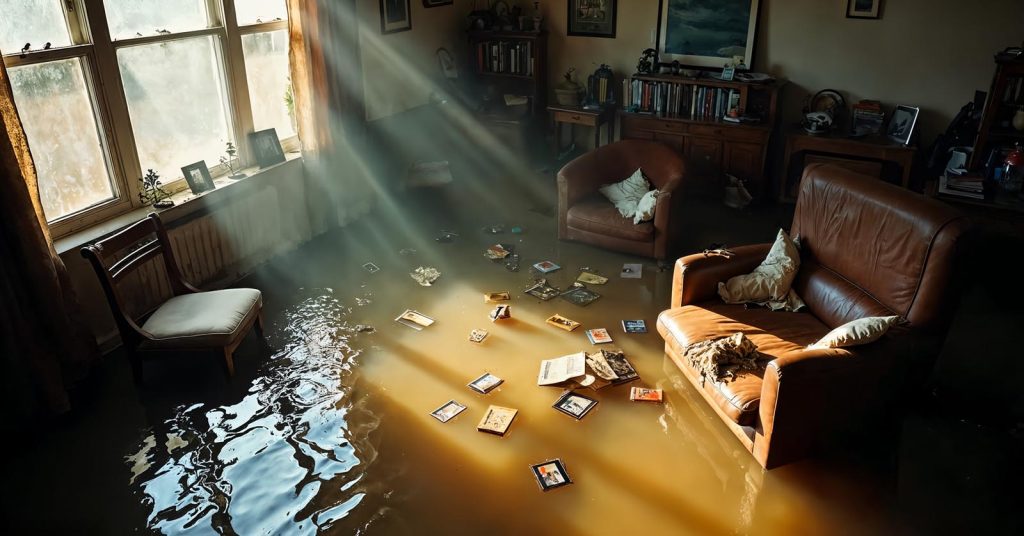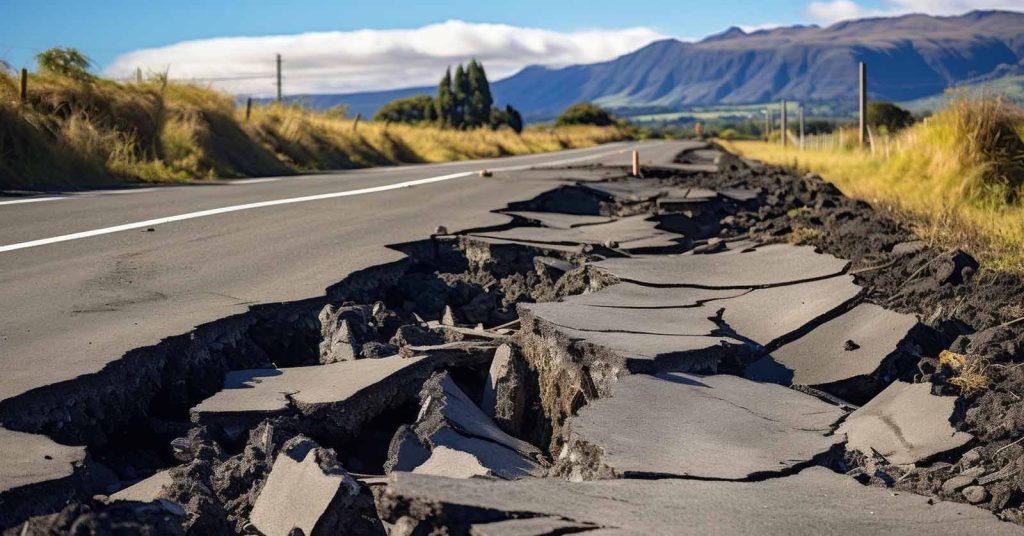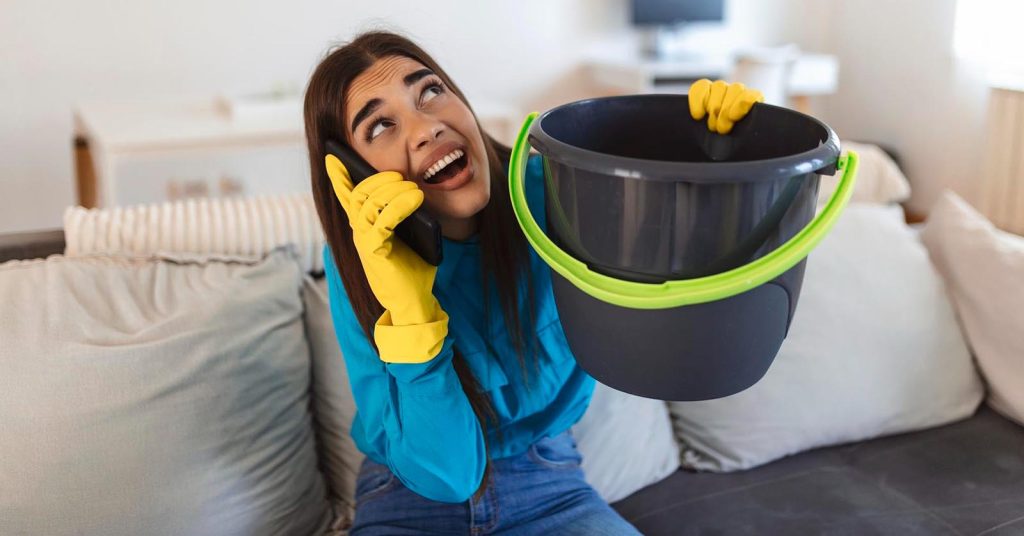
Two water losses can look nearly identical in photographs while falling under completely different insurance rules; a flooded kitchen and a flooded basement may have very different causes.
If water came from a pipe inside the wall, the homeowners policy may respond. By contrast, water flowing across the yard and through the basement door after heavy rain may belong under flood insurance instead. Start a water-claim analysis by identifying where the water came from and why it entered the home.
| Water source | Typical homeowners coverage | Main issue to check |
|---|---|---|
| Burst plumbing pipe | Often covered when sudden and accidental | Freeze, maintenance and vacancy conditions |
| Broken washer or dishwasher hose | Often covered when sudden and accidental | Resulting damage vs. failed appliance or part |
| Toilet overflow | Often covered when sudden and accidental | Cause of overflow and policy exclusions |
| Slow plumbing leak | Often excluded or limited | Repeated seepage, neglect and hidden-damage wording |
| Rain through storm-damaged roof | May be covered | Whether a covered event created the opening |
| Old roof leaking over time | Usually not covered as a maintenance problem | Wear, deterioration and delayed repairs |
| Sewer or drain backup | Policy-dependent; endorsement may be needed | Backup vs. flood-caused backup |
| Surface water, storm surge or overflowing river | Generally not covered by homeowners insurance | Separate flood insurance |
These are general patterns rather than guarantees. State-approved forms, exclusions and endorsements differ, so the policy in force on the date of loss controls.
Burst Pipes and Sudden Plumbing Leaks Are Often Covered
Sudden and accidental plumbing losses are among the clearest examples of water damage that homeowners insurance commonly covers.
Homeowners and renters policies commonly cover sudden and accidental water damage from events such as a burst pipe, overflowing toilet or broken washing-machine hose, subject to the policy terms and exclusions.
Coverage can include resulting damage to:
- Walls and ceilings
- Flooring
- Cabinets
- Furniture
- Electronics and other covered belongings
- Other insured parts of the home damaged by the released water
Do not assume the failed pipe, appliance or component itself is covered simply because the resulting water damage is. Some policies distinguish between repairing the faulty item and repairing the damage it caused. Resulting damage from a suddenly burst pipe may be covered even when the failed pipe itself is not.
Frozen Pipes Can Be Covered—but Policy Conditions Matter
A pipe that freezes and bursts can produce a sudden loss, but coverage can depend on whether the homeowner took reasonable steps to protect the property.
Resulting water damage from frozen pipes may be covered when the homeowner took reasonable steps to maintain the property and protect the pipes from freezing. Coverage still depends on the policy terms and the facts surrounding the loss.
Claims become more difficult when:
- The home was vacant and heat was turned off
- The policy required water to be shut off or pipes drained during an extended absence
- The homeowner ignored a known heating problem
- The damage developed gradually rather than from the sudden burst
Check the conditions section before leaving a home vacant during freezing weather. Any precise temperature, shutoff or winterization requirement comes from the policy, not a universal insurance rule.
Gradual Leaks and Seepage Are a Different Problem
Gradual leakage can be accidental and still fall outside coverage because it happened slowly.
Policies commonly exclude or limit gradual leaks and seepage. Examples include a faucet leaking over time or water entering through foundation cracks or gaps in building materials.
Common problem scenarios include:
- A pipe dripping behind a wall for months
- A shower pan or seal leaking slowly
- Long-term seepage around a foundation
- Repeated moisture around a window
- Water damage that grows because an obvious leak was not repaired
Hidden leaks can be more complicated because policy wording differs. Do not assume that “I did not know about it” automatically turns long-term leakage into a covered sudden loss. Look for language addressing repeated seepage, leakage over a period of time, hidden water damage and resulting loss.
Does Homeowners Insurance Cover a Roof Leak?
Sometimes. Cause of the opening matters.
Rain entering through a hole in the roof or a broken window may be covered when a covered event—such as strong wind—created the opening. What created the opening usually matters more than the fact that rain later entered the house.
Likely maintenance issue: An old roof has deteriorated for years and slowly allows water to penetrate during ordinary rain.
Even when the interior water damage is covered, roof settlement can be subject to separate provisions involving age, actual cash value, replacement cost, cosmetic damage or a wind/hail deductible.
After storm damage, make reasonable temporary repairs such as tarping an opening and document the condition before the work. Delaying necessary repairs can jeopardize coverage for later water damage that could have been prevented.
Flood Damage Usually Requires Flood Insurance
Homeowners insurance generally does not cover flooding from water that accumulates outside and enters the property.
The National Flood Insurance Program defines a flood as a general and temporary inundation affecting at least two acres of normally dry land or at least two properties, one of which is yours, caused by specified sources such as overflowing inland or tidal waters or unusual and rapid accumulation or runoff of surface water.
Examples include:
- River or creek overflow
- Storm surge
- Flash flooding
- Heavy rainfall that accumulates and flows over normally dry land
- Qualifying mudflow
- Some water-main, levee or dam failures that create a general condition of flood
Most homeowners policies do not cover flood damage. A separate NFIP or private flood policy is needed for that exposure.
This distinction is explored in more detail in flood insurance vs. homeowners insurance, including storm surge, surface runoff and NFIP limitations.
Sewer and Drain Backup Is Not the Same as Flood
Water or sewage backing up through a drain or sump creates one of the messiest coverage questions because the answer can depend on both the source and the policy.
Sewer or drain backup coverage is often optional rather than part of the base homeowners policy. Whether sewage or water entering through a sewer or drain is covered depends on the contract and any endorsement.
An optional water-backup endorsement can cover specified losses from:
- Sewer backup
- Drain backup
- Sump-pump overflow or failure, depending on the endorsement
But water backup and flood are not interchangeable.
Under an NFIP policy, sewer or drain backup can be covered when the backup is directly caused by a covered flood. Backup caused only by a problem confined to the house is not automatically an NFIP flood loss.
Read the water-backup endorsement for its limit, deductible, covered causes and exclusions. Policies can have hundreds of thousands of dollars in dwelling coverage but a much smaller water-backup limit.
What About Water From a Sump Pump?
Sump-pump losses are usually analyzed with sewer/drain backup or water-backup coverage rather than ordinary plumbing-leak coverage.
A standard policy may exclude or limit water that backs up through drains or overflows from a sump. Endorsements may add protection, but the exact wording matters.
Before buying the endorsement, check:
- Whether sump-pump failure is included
- Whether power failure is included or excluded
- The maximum coverage amount
- Any separate deductible
- Whether damaged contents are covered
- Whether mold remediation has a separate sublimit
If basement contents are valuable, compare the endorsement limit with the actual financial exposure rather than choosing the lowest available add-on automatically.
Does Homeowners Insurance Cover Mold From Water Damage?
Mold coverage depends heavily on what caused the moisture and what part of the mold loss is being claimed.
Mold that develops after a sudden and accidental covered water event may receive limited coverage, while mold tied to gradual leakage or flood is generally outside a standard homeowners policy.
Fungi, mold, rust and rot are usually excluded or limited unless they result from water damage the policy covers.
There can also be a difference between:
- Replacing covered property damaged by mold
- Testing for mold
- Remediation or containment
- Removing mold from otherwise undamaged areas
Many base policies do not include broad mold cleanup and testing after damaged property is removed, although additional mold coverage may be available by endorsement.
Look for a mold, fungi, wet-rot or remediation limit in the policy or endorsements. Do not assume that a covered burst pipe creates unlimited mold-remediation coverage.
Does Homeowners Insurance Cover an Appliance Leak?
Sudden discharge from a washing machine, dishwasher, refrigerator line or water heater is often treated similarly to other sudden plumbing losses.
A broken washer hose is a classic example of sudden and accidental water damage that can fall within homeowners coverage, subject to the policy terms.
Separating the failed appliance from the resulting damage matters here as well.
If a washing machine hose suddenly breaks, the policy may cover water damage to flooring, drywall and covered belongings while not necessarily paying for an old hose or appliance failure that resulted from wear and tear.
Equipment-breakdown coverage, warranties or service contracts may address other parts of the appliance failure, but those are separate from standard water-damage coverage.
How Water-Damage Sublimits Can Shrink a Claim
Even when water damage is technically covered, the full dwelling limit may not be available.
Washington’s insurance commissioner warned consumers in 2024 about optional water-damage sublimits being introduced in that market. Its example showed how a policy with a much larger overall property limit could still cap certain water losses at a far smaller amount.
Sublimits can apply to:
- Water damage generally
- Sewer or drain backup
- Mold remediation
- Specific building components
- Other policy-defined categories
That is why the declarations page and endorsements matter as much as the words “water damage covered.” Ask whether any water coverage has its own maximum dollar amount.
What to Do Immediately After Water Damage
Once it is safe to act, reducing additional damage is part of protecting the claim as well as the home.
- Stop the water source. Shut off the main water supply or appliance connection if safe.
- Protect people first. Stay away from electrical hazards, contaminated water and unstable structures.
- Photograph and video everything. Document the source and damaged areas before major cleanup when possible.
- Move undamaged property. Get furniture, electronics and other belongings away from active water.
- Begin reasonable drying or emergency mitigation. Prevent additional loss without destroying evidence unnecessarily.
- Report the claim promptly. Ask what the insurer wants preserved for inspection.
- Save receipts. Keep records for emergency labor, materials, drying and temporary repairs.
- Avoid unnecessary permanent repairs. Give the insurer a reasonable opportunity to inspect first.
Documentation, adjuster inspections, estimates, depreciation and settlement disputes all become part of the homeowners claim process.
How to Check Your Policy Before a Leak Happens
Water coverage is easiest to improve before there is water on the floor.
At renewal, ask:
- Does the policy cover sudden and accidental discharge from plumbing and appliances?
- How does it treat repeated or hidden leakage?
- Is sewer, drain and sump backup covered?
- Is there a water-damage sublimit?
- What mold or remediation limit applies?
- Does the roof have special settlement terms?
- Which deductible applies to water claims?
- Does the policy require special precautions when the home is vacant?
- Do I have separate flood insurance?
Also convert the applicable home insurance deductible into a dollar amount. Covered water loss that is only slightly above a high deductible may still leave most of the repair cost with you.
Frequently Asked Questions (FAQs)
Does homeowners insurance cover a burst pipe?
Often, yes. Sudden and accidental water damage from a burst pipe is commonly covered, subject to the policy. Coverage can be limited when freezing, vacancy, neglect or another exclusion contributed to the loss.
Does homeowners insurance cover a slow leak?
Usually not. Regulators including Texas DOI and Washington OIC say gradual leakage and seepage are commonly excluded or limited. Hidden-leak provisions vary by policy.
Does homeowners insurance cover rain coming through the roof?
Roof leakage may be covered when wind or another covered event first damages the roof and creates an opening through which rain enters. Long-term leakage through a worn or poorly maintained roof is generally a different issue.
Does homeowners insurance cover sewer backup?
Policy wording controls the answer. Sewer, drain and sump backup often requires specific coverage or an endorsement. If a covered flood directly causes the sewer backup, flood insurance rules may apply instead.
Does homeowners insurance cover a leaking washing machine?
A sudden appliance leak, such as a broken washing-machine hose, is often covered. Wear and tear or the failed appliance component itself may be treated separately.
Does homeowners insurance cover mold from a leak?
Mold may receive limited coverage when it results from a covered sudden water loss, but policies often limit mold remediation and generally exclude mold tied to gradual leakage, seepage or flooding. Check the policy’s mold limit or endorsement.
Does homeowners insurance cover floodwater in a basement?
Standard homeowners insurance generally does not cover surface flooding. Separate flood coverage is needed. NFIP rules also restrict coverage for many basement contents, so flood coverage itself should be reviewed carefully.
Should I file a claim for every water leak?
Not automatically. First stop the leak, document the damage, identify whether the cause is potentially covered and compare the estimated covered loss with the deductible. Follow policy notice requirements and do not ignore hidden or expanding damage simply because the first estimate appears small.
Sources
- Texas Department of Insurance: Unexpected Indoor Waterfall? Home or Renters Insurance Might Help, January 2026
- Texas Department of Insurance: When Are Water Damage and Mold Covered by Insurance?
- Texas Department of Insurance: Homeowners Insurance and Disaster Claims FAQ
- Washington Office of the Insurance Commissioner: Leaks, Water Damage and Mold
- Washington Office of the Insurance Commissioner: Water-Damage Sublimits
- California Department of Insurance: Residential Property Claims Guide
- National Flood Insurance Program: What Is a Flood?
- National Flood Insurance Program: External vs. Internal Sources of Water Damage
- National Association of Insurance Commissioners: Homeowners Insurance, updated October 2025
- Maryland Insurance Administration: Protect Your Pipes